Germany Leads the European Solar Market HQ Mount Powers Germany's Solar Growth with Innovative Mounting Solutions

According to the latest report by SolarPower Europe, Germany is expected to add 16.1 GW of new solar capacity in 2024, continuing to lead the growth of the European solar market.


HQ Mount focuses on developing high-quality and versatile solar mounting solutions. In the German market, our products are highly favored by residential, commercial, and industrial customers for their superior performance and ease of installation.


Highlights and Advantages of HQ Mount's Popular Products

1. Solar Balcony Triangular Brackets

Optimized Energy Generation Efficiency: The triangular design ensures that solar panels maintain the optimal tilt angle for maximum sunlight exposure, significantly enhancing energy output.

Quick Installation: Pre-assembled design greatly reduces installation time, making it user-friendly for residential customers.

Flexible Customization: Supports various mounting methods tailored to balcony railings and offers customizable dimensions to suit diverse solar installations.


2. Solar Mounting Hooks and Rails for Ceramic Roofs

6# Hook (HQ-H06U): A three-way adjustable solar hook that is a best-seller in the European market, offering flexible installation and compatibility with various roof types.

HA02 Hook: A high-strength aluminum solar pv hook with a reinforced design to reduce material costs and installation time. Its unique click-holder mechanism simplifies the installation process.

W40B Rail: Designed to perfectly complement the hook system, providing stable and reliable solar mounting solutions for traditional ceramic roofs.


3. Quick Mid and End Clamps

Quick Clamp Design: Enables fast and secure panel fixation, significantly reducing installation time. It is an ideal choice for solar installers.


4. Micro-Inverters

Module-Level Optimization: Ensures each solar module operates independently, maximizing energy output even in partially shaded or unevenly lit conditions.

Dynamic MPPT Technology: Continuously adjusts to the optimal power point, ensuring high energy conversion efficiency in variable environments.

Certified for Germany’s Grid Requirements: Compliant with VDE-AR-N 4105 standards and supports remote monitoring via an app for real-time power management.


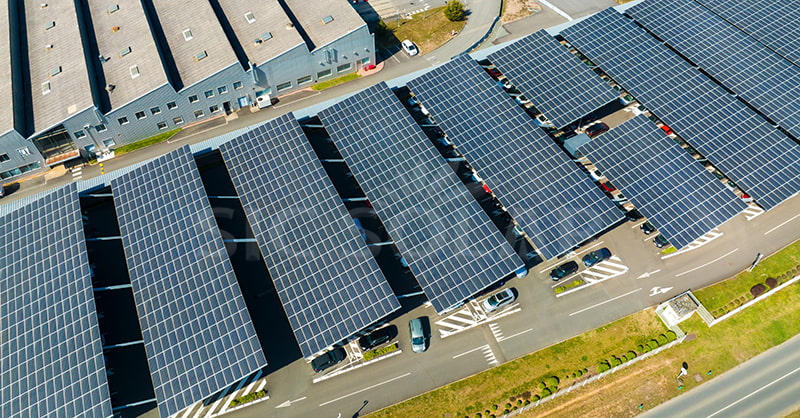
5. Steel and Aluminum Solar Carport Systems

Steel Solar Carports:

High-Strength, Lightweight Design: Combines durability with lightweight construction, supporting large-span installations and facilitating transportation and construction.

Superior Waterproof Performance: Excellent sealing makes it ideal for regions with frequent rain.

Aluminum Solar Carports:

Lightweight and Corrosion-Resistant: Aluminum structures are durable and well-suited for long-term outdoor applications.

Efficient Pre-Assembly: Modular design reduces on-site installation time and labor costs significantly.

Waterproof Solar Carports:

Innovative Waterproof Design: Protects solar panels and vehicles while providing reliable shelter.

Flexible Applications: Suitable for residential, commercial parking lots, and premium properties.


Solar Installation Project Case in Germany

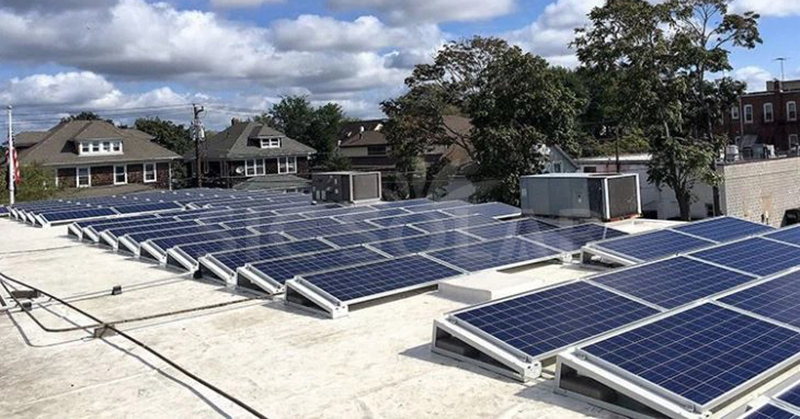
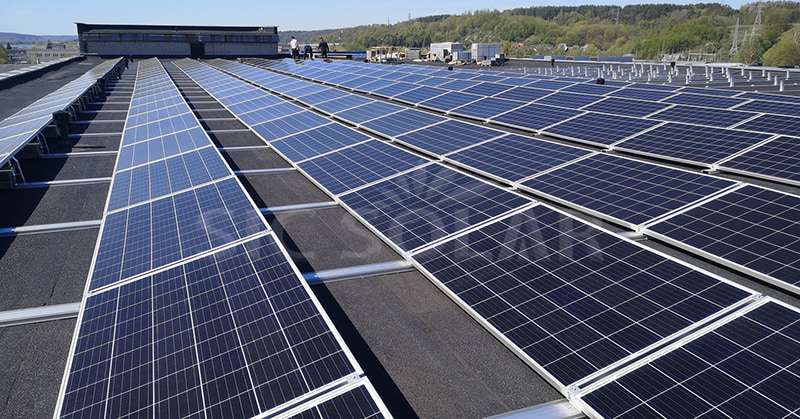
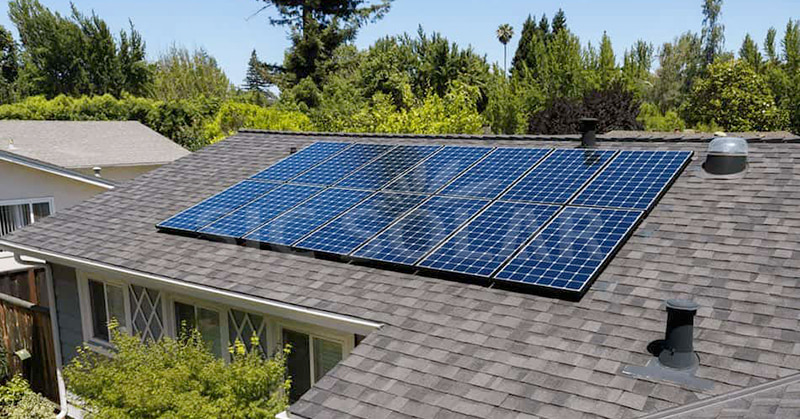
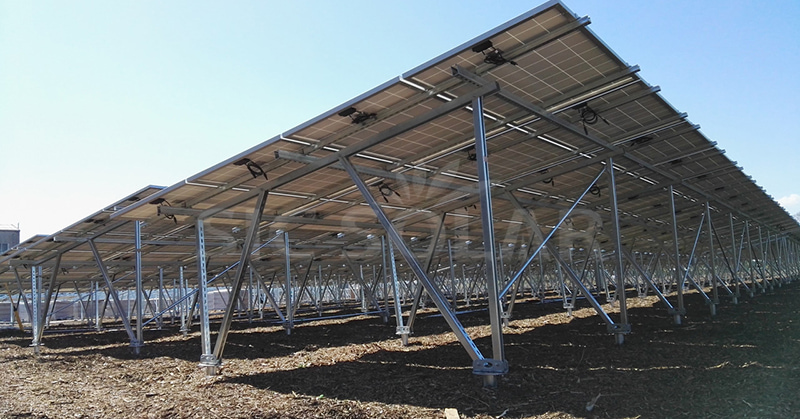
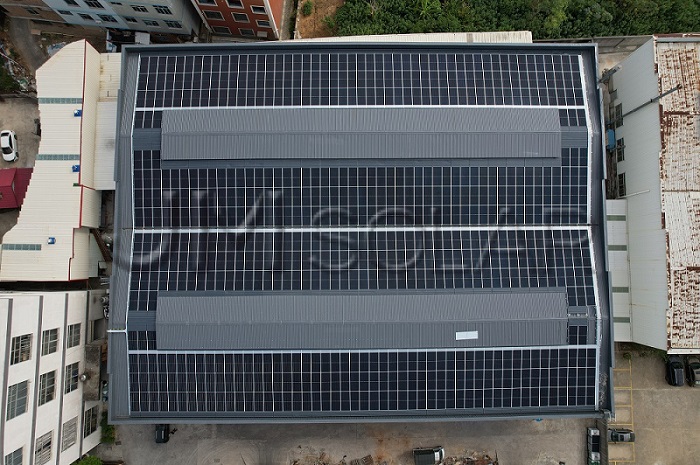
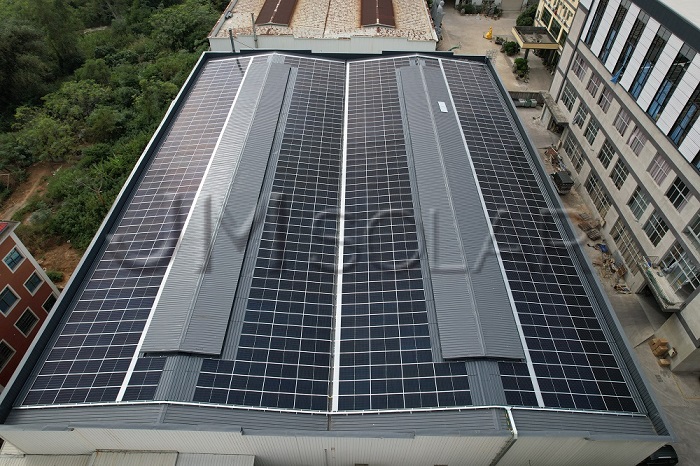
Below are some of our solar installation cases in Germany to share, for more case and product information, please contact us at info@hqmount.com.


As a solar mounting system manufacturer, HQ Mount is dedicated to delivering high-quality services and reliable installation solutions for the global solar market. We remain committed to supporting our customers in achieving their clean energy goals and driving the transition to green energy.


CONTACT US---XIAMEN HQ MOUNT TECH CO.,LTD

Whatsapp : 18030160771

Tel : 86 05926252889

Email : info@hqmount.com

Key Differences Between Hot-Dip Galvanization and Zinc-Aluminum-Magnesium

As a leading solar mounting system manufacturer in China, HQ MOUNT is committed to continuous innovation and optimization, delivering outstanding performance to our customers. We have chosen zinc-aluminum-magnesium as one of our primary materials to meet the demand for higher quality, more corrosion-resistant, and lightweight solar installation solutions. Meanwhile, traditional hot-dip galvanized materials are still widely used in the market. Today, let’s explore the differences between hot-dip galvanization and zinc-aluminum-magnesium to understand why HQ MOUNT has selected zinc-aluminum-magnesium as its core material.


I. Comparison of Material Properties and Characteristics


Hot-Dip Galvanized Steel (HDG)

- Material Properties: Hot-dip galvanization involves immersing steel in molten zinc, forming a dense layer of zinc on the surface, primarily composed of pure zinc.

- Characteristics:

1. Corrosion Resistance: The zinc layer isolates the base material from corrosive substances, forming a protective zinc oxide layer in standard atmospheric conditions to prevent rust.

2. Wear Resistance: The strong bond between the zinc layer and the base material provides excellent durability.

3. Mechanical Properties: Post-treatment, steel gains enhanced mechanical properties, particularly in stress relief from forming processes.


Zinc-Aluminum-Magnesium (Zn-Al-Mg)

- Material Properties: Zinc-aluminum-magnesium is a high-performance alloy coating composed of zinc, aluminum, and magnesium, produced through advanced processes.

- Characteristics:

1. Corrosion Resistance: Its dense oxide film provides extended protection in high-humidity and salt-laden environments, making it ideal for coastal or industrial areas.

2. High Strength and Lightweight: The addition of aluminum and magnesium improves strength while reducing coating thickness, achieving a lightweight design.

3. Processing Performance: With excellent adhesion and toughness, the coating is less prone to detachment and offers self-healing properties at cut edges, extending product lifespan.

4. Eco-Friendliness: Less material usage and longer lifespan reduce maintenance frequency, supporting sustainable development.


II. Key Differences Between Hot-Dip Galvanized Steel and Zinc-Aluminum-Magnesium


1. Composition and Structure

- Hot-Dip Galvanized Steel: Single zinc layer with limited protection.

- Zinc-Aluminum-Magnesium: Alloy coating combining zinc, aluminum, and magnesium for comprehensive protection.


2.Corrosion Resistance

-Hot-Dip Galvanized Steel: Effective in standard environments but less durable in harsh conditions.

- Zinc-Aluminum-Magnesium: Superior performance in high-salt, high-humidity environments, extending product life.


3. Processing and Mechanical Performance

- Hot-Dip Galvanized Steel: The coating may crack during bending or forming.

- Zinc-Aluminum-Magnesium: Excellent flexibility and self-healing properties protect cut edges and prevent coating detachment.


4. Lightweight and Strength

- Hot-Dip Galvanized Steel: Thicker coating adds weight.

- Zinc-Aluminum-Magnesium: Delivers equal or better performance with a thinner, lighter coating, reducing transport and installation costs.


Why HQ MOUNT Chose Zinc-Aluminum-Magnesium for Solar Mounting Systems


HQ MOUNT adheres to the philosophy of "Quality First, Customer-Centric." In solar mounting systems, material selection directly impacts product quality and longevity. Choosing zinc-aluminum-magnesium demonstrates our commitment to addressing customer needs while maintaining stringent quality standards.


- Enhanced Protection: Zinc-aluminum-magnesium ensures reliable performance in harsh environments, meeting the demand for long-lasting solar mounts.

- Lightweight Design: Optimized material usage reduces logistics and installation costs while improving ease of installation.

- Reliable Quality: HQ MOUNT rigorously controls material sourcing and manufacturing processes, ensuring all products meet international standards. Certification details are available upon request.


About HQ MOUNT


Headquartered in Xiamen, China, HQ MOUNT specializes in the research, development, production, and sales of solar mounting systems. Our products include ground solar mounts, rooftop PV brackets, ceramic roof solar hooks, solar carports, balcony triangle brackets, solar farms, and related accessories. With customer needs at the core of our operations, we offer efficient and cost-effective solar installation solutions while contributing to the global adoption of clean energy.


Contact Us

- Phone: +86 0592 6252889

- WhatsApp: +86 18030160771

- Email: info@hqmount.com


Solar Lights for Highlighting Architectural Features

The aesthetic attractiveness of architectural features is greatly enhanced by lighting, particularly when those aspects are intended to draw attention and produce a visual impact. Whether it’s a dramatic entrance, a stunning facade, or elaborate sculptures, solar lights provide an effective and environmentally responsible way to illuminate important aspects of a building’s design. As solar lights gain popularity, they are increasingly being used to draw attention to architectural details because they are sustainable in addition to being stylish.


The beauty of solar lighting lies in its versatility. Available in a variety of designs, solar lights can be strategically placed to accentuate different aspects of a building. For example, solar powered spot lamps can be directed to illuminate columns, arches, or decorative facades, making them stand out at night. Their focused beam highlights architectural features in a dramatic way, creating shadows and contrasts that enhance the structure’s visual impact. For more delicate features like railings or garden sculptures, solar up and down wall lights are an excellent choice. These lights cast illumination both upwards and downwards, accentuating the texture and design of the feature while maintaining a soft, welcoming ambiance.


Solar post cap lights are another fantastic option for enhancing architectural features, especially for fence posts, gates, or porch columns. These compact lights provide a warm, inviting glow that not only highlights the posts but also adds to the overall character of the property. When strategically placed, solar post cap lights can create a seamless flow of illumination, guiding visitors while emphasizing the building’s structural design.


solar powered spot lamps 

The low environmental effect of solar illumination is another important advantage. Utilizing the energy of the sun, solar-powered fixtures lessen the need for non-renewable energy sources. Solar lights not only lower energy usage but also encourage a more environmentally friendly method of outdoor lighting for buildings wishing to implement more sustainable practices. Modern solar lights are more efficient than ever thanks to developments in solar technology, offering dependable and bright lighting all year around.


SLD, Solar Lights Do, is a company that specializes in manufacturing and selling premium quality solar lights. We offer a wide range of efficient and durable solar lighting solutions designed for outdoor use. If you’re interested, please visit us at www.solarlightsdo.com.

UK Aims for 45-47GW of Solar PV Capacity by 2030

The UK government’s latest Clean Electricity Action Plan 2030 outlines significant growth in renewable energy capacity by 2030, with a focus on offshore wind and solar photovoltaic (PV) power. The plan sets a target of 45-47GW for solar PV capacity in 2030, emphasizing the potential to exceed the 47GW cap.


As of the second quarter of 2024, the UK’s cumulative solar PV capacity stood at 16.6GW, with an additional 23.8GW of projects under construction or signed. Solar Energy UK believes the 45GW target is conservative and that solar PV has the potential to significantly surpass this level.


The plan includes promoting solar installations on warehouses, industrial sites, and outdoor parking lots, with a survey on PV canopies for parking lots set to begin in 2025. Additionally, solar technology is included in policies such as the Warm Homes Local Grant and Warm Homes Social Housing Fund, and its application will be further expanded in future versions of the plan.


Wind power is also a core component of the plan, aiming for a cumulative installed capacity of 43-50GW by 2030, with onshore wind contributing 27-29GW.


Flexible power regulation is also part of the plan, with installations of 23-27GW of battery storage and 4-6GW of long-duration storage planned, along with the development of flexible technologies such as carbon capture, utilization, and storage (CCUS) and hydrogen energy. Furthermore, around 35GW of natural gas storage capacity will ensure secure electricity supply.


Global photovoltaic installed capacity to reach 596GW in 2025, emerging markets perform well

Against the backdrop of global energy transformation, the photovoltaic industry has taken off, and the scale of global photovoltaic installed capacity continues to grow. TrendForce predicts that global photovoltaic installed capacity will reach 596GW in 2025, up 6.0% year-on-year, and the growth rate will slow down significantly. The share of the three major mainstream incremental markets in China, Europe and the United States will decline, and emerging markets such as Southeast Asia, Latin America, and the Middle East will perform well, injecting new impetus into the growth of global photovoltaic installed capacity.


Global new installed capacity to reach 596GW in 2025


According to TrendForce data, global photovoltaic installed capacity has grown rapidly from 113GW in 2019 to 462GW in 2023, with an average annual compound growth rate of 42.3%. After experiencing high growth in the first five years, it is expected that the growth rate of global photovoltaic installed capacity will drop sharply from 2025 and enter the adjustment stage. In 2025, global photovoltaic installed capacity will reach 596GW, up 6.0% year-on-year.


In terms of market share, the Asia-Pacific market fell slightly to 61.1%, the Americas market grew to 15.6%, and the market share of Europe and the Middle East and Africa did not change much.


From the data of new photovoltaic installations in the four major regional markets in 2025, the Americas will lead slightly in growth, and the Asia-Pacific region will still lead in growth. In 2025, driven by the two major markets of the United States and Brazil, the Americas will maintain its leading growth rate; the emerging countries in the Middle East and Africa are still to be developed, and the growth rate has slowed down significantly; the Asia-Pacific region leads the global photovoltaic market in growth, but the growth rate of installed capacity has slowed down under the high base; Europe has steadily increased its growth under the overall goal of coal withdrawal and renewable energy.


Classification of hydrogen hybrid systems for UAVs

1.The principle of hydrogen hybrid power system


The UAV hydrogen hybrid system usually uses hydrogen as the main energy source, combined with other energy sources (such as batteries), and converts the chemical energy of hydrogen into electrical or mechanical energy through chemical reactions to power the flight of the drone.

Hydrogen can undergo an electrochemical reaction in a fuel cell to produce electrical energy, which directly drives the motor to operate; It can also be burned to produce high-temperature and high-pressure gases to drive turbines or piston engines to work, and at the same time recover waste heat for other systems to improve energy efficiency.

The battery assists the system by providing additional power during start-up, acceleration, high loads, etc., or when the fuel cell output is insufficient, and can recover braking energy for storage.  


2.Classification of hydrogen hybrid power systems


(1) Hydrogen fuel cell-battery hybrid system

Proton exchange membrane fuel cell (PEMFC) is the main power generation device, which has the advantages of high energy conversion efficiency, zero emission and low noise. Batteries (e.g. lithium batteries) are used as auxiliary power sources, and the two are connected to the drone's electric drive system via a power converter.


During flight, the fuel cell provides a stable base power, and the lithium battery provides additional power when the instantaneous power demand is high, and the energy is recovered and stored under low fuel cell efficiency conditions (such as low loads), optimizing the efficiency and performance of the entire system.  

At present, most of the hydrogen hybrid drones use hydrogen fuel cell-battery hybrid systems.


(2) Hydrogen internal combustion engine-battery hybrid system

The hydrogen internal combustion engine is used as the power source, and the power generated by the combustion of hydrogen in the cylinder is used to drive the drone to fly. Hydrogen internal combustion engines have the characteristics of mature technology and high power density, but their emission and thermal efficiency are lower than those of hydrogen fuel cells.


In this system, the battery is mainly used to improve the starting performance of the internal combustion engine, achieve fast power adjustment and recover braking energy, reduce energy waste, and reduce the fuel consumption and emissions of the hydrogen internal combustion engine under some working conditions, and improve the overall economy and environmental protection.


Because the hydrogen internal combustion engine-battery hybrid system needs to burn hydrogen in the cylinder to generate power, it is generally used in relatively large aircraft.


China's first self-developed general aviation aircraft powered by hydrogen internal combustion engine is equipped with a 2.0L zero-emission supercharged direct injection hydrogen internal combustion engine, using high-pressure gaseous hydrogen storage, hydrogen storage weight of 4.5kg, hydrogen internal combustion engine maximum thermal efficiency of more than 43%, comprehensive thermal efficiency of more than 40%.


(3)Hydrogen fuel cell-solar-battery hybrid system

In addition to fuel cells and batteries, solar panels have also been introduced.

Solar panels convert solar energy into electricity during the day when there is enough light to replenish the drone's flight, or to recharge the battery.

The fuel cell is the main continuous energy supply device, and the battery plays a role in balancing power, storing energy, and ensuring the operation of the drone at night or when the light is insufficient.

Product Spotlight | Discover JinMega's Rail-Free Metal Roof Solar Mounting Systems

At JinMega, innovation drives our commitment to simplifying solar installations. Our Rail-Free Metal Roof Solar Mounting Systems are purpose-built for trapezoidal metal roofs in commercial and industrial solar projects, offering a streamlined, efficient, and robust solution.


Key Highlights of Our Rail-Free Systems:

- Stability You Can Rely On

Crafted from high-quality AL6005-T5 and SUS304 materials, our mounts provide exceptional strength and anti-corrosion performance. With EPDM rubber components, they deliver superior resistance to wind and rain, ensuring a longer service life.


- Efficiency That Saves Time

The rail-free design, combined with pre-assembled components, significantly reduces onsite installation time, lowers roof loads, and minimizes component usage—an eco-conscious choice.


- Unmatched Flexibility

Designed to adapt to a variety of metal roof types and module dimensions, our systems can also be customized to meet unique project requirements.

With JinMega's Rail-Free Mounting Systems, you're not just installing solar panels; you're embracing a smarter, more efficient future in renewable energy.


Want to learn more about our products? Click here to visit our website today!

Solar Powered Flood Lights for Commercial Applications

Businesses are looking for more sustainable and energy-efficient outdoor lighting options in the modern environment. Flood lights that run on solar power are quickly becoming more and more popular since they provide a useful and environmentally responsible substitute for conventional electric flood lighting systems. These lights use the sun’s energy to offer dependable lighting for businesses, lowering the environmental impact of energy use and electricity costs. Solar-powered flood lights are becoming a crucial component of contemporary commercial lighting solutions, whether they are used for parking lots, building facades, or outdoor event spaces.


Outdoor solar powered flood lamps are particularly well-suited for large commercial areas where constant lighting is required. These lamps are equipped with high-capacity solar panels that charge during the day, storing energy for nighttime use. With advancements in technology, solar flood lights are now brighter and more efficient, providing illumination for longer periods, even on cloudy days. This makes them a reliable option for businesses that need consistent lighting but want to avoid the high operational costs of traditional lighting systems.


One key benefit of solar-powered flood lights is their role in enhancing security. Solar LED security flood light systems are designed to offer bright, focused lighting that deters potential intruders and ensures the safety of employees, customers, and property. These lights are perfect for illuminating dark corners, entrances, and parking lots, where visibility is essential. Their motion-sensing capabilities further improve security, because they only activate when movement is detected, thereby conserving energy when the area is not in use.


solar LED security flood light 

Many commercial solar flood lights are made from high-quality materials like aluminum, ensuring they are resistant to weather conditions such as rain, wind, and snow. Aluminum solar flood light designs are both lightweight and robust, offering long-lasting performance in outdoor environments. With no wiring or external power source required, installation is simpler, and the need for frequent maintenance is minimized, making them an ideal choice for businesses looking to reduce upkeep costs.


Solar powered flood lights provide numerous benefits for commercial applications. With options like durable aluminum solar flood light, businesses can elevate their outdoor lighting while promoting sustainability. At SLD, Solar Lights Do, we specialize in high-quality, energy-efficient solar lighting solutions. Please visit us at www.solarlightsdo.com to explore our wide range of products and find the perfect solar lighting for your commercial needs.

4040 T slot aluminum profile for pv system | Sic-solar.com

T-slot industrial aluminum profile with 40*40 grid dimension as frame combination structure, is widely applied for solar system, building construction etc. The 40*40 T-slot aluminum extrusion is a perfect solution for solar installation. Its unique four-sided slotted design can be used with diverse ceiling structures.


Advantages as follow:

1. Anodic oxidation surface treatment, beautiful and durable.

2. Wide range of applications, can adapts to different roof hooks.

3. Work with T-slot accessories, make the installation easier.

4. Shorting assembly time and providing more efficient working project.


Silver 40*40 solar aluminum profile

Black solar 40*40 aluminum profile


SIC Solar is a professional manufacturer of solar mounting systems. Customized solar panel mounting brackets and ground mount solar. Inquiry now! Email: info@sic-solar.com