How to Ground a Ground-Mount Solar System

When installing a ground-mounted solar system, grounding is a crucial step to ensure safety, stability, and optimal performance. Grounding helps protect the system from electrical surges, such as those caused by lightning or short circuits, and it minimizes the risk of electrical shock. If done correctly, it also contributes to the overall longevity and efficiency of your solar energy system.


1. Why Is Grounding Important for Solar Systems?

Grounding is a safety measure that directs excess electricity, such as that from a power surge, to the earth, preventing it from damaging your solar panels, inverter, or other components. Without proper grounding, your system could be at risk of electrical faults or lightning strikes, which could cause serious damage or even fire hazards.

In addition to safety, grounding helps maintain the electrical integrity of your system. It stabilizes voltage fluctuations and provides a return path for electrical currents, ensuring the system works at its full capacity.


2. How to Ground a Ground-Mount Solar System

Grounding a ground-mounted solar system involves several key steps to ensure the system is properly connected to the earth. Here’s a general overview of the process:

A. Install Grounding Rods

The first step in grounding your ground-mounted solar system is to install grounding rods. These metal rods are driven deep into the ground to provide a direct path for electrical current to safely dissipate into the earth.

  • Material: Grounding rods are typically made from copper or galvanized steel because of their corrosion resistance and excellent conductivity.
  • Installation Depth: The depth of the grounding rods will vary depending on local codes and soil conditions. In general, they need to be buried at least 8 feet deep, although some areas may require deeper installation to achieve proper grounding.

Once installed, the rods will be connected to the rest of the grounding system via grounding wire.

B. Run Grounding Wire

Next, you’ll need to run a grounding wire from the solar array to the grounding rods. This wire ensures that the excess electrical current from the solar system is directed safely into the earth.

  • Wire Type: Use thick copper wire or bare copper conductors to ensure the wire can carry excess current without overheating. The wire should be insulated to prevent any accidental contact.
  • Connection Points: Connect one end of the grounding wire to the grounding bus bar in the solar inverter or combiner box. The other end should be securely attached to the grounding rods. You should also connect the metal parts of the solar mounting system to the same wire to ensure they are properly grounded.

SIC Solar offers highly durable grounding kits designed to simplify this process. These kits typically include grounding bars and connections to ensure that your solar array is grounded properly and efficiently.

C. Bonding the System Components

All metal parts of the solar system must be bonded together to create a uniform electrical connection. This includes the solar panels, racking system, and inverter. Bonding the system components helps ensure that there are no voltage differences between the parts, preventing potential electrical hazards.

  • Bonding Straps or Connectors: Use bonding straps or connectors to link metal parts. Make sure that the straps are tight and secure, ensuring a reliable connection between the components and the grounding wire.
  • Check for Continuity: Once all components are connected, test for electrical continuity to ensure that the entire system is properly grounded and that there are no weak connections.

D. Inspect and Maintain the Grounding System

After the grounding system is installed, it’s important to periodically check its performance. Grounding systems can degrade over time due to factors like soil erosion, corrosion, or poor connections. Regular inspection ensures the system remains safe and efficient.

SIC Solar provides maintenance guidelines and grounding components designed for easy inspection and long-term reliability, so you can be confident that your system is always operating at its best.


3. Tips for Proper Grounding of Ground-Mount Solar Systems

A. Follow Local Electrical Codes

Grounding requirements may vary depending on your location. It’s important to adhere to local electrical codes and standards to ensure your system is compliant and safe. In many cases, a licensed electrician will need to sign off on the installation.

B. Ensure Proper Connection of All System Parts

Ensure that all metallic parts of the system are grounded, including the mounting brackets and racking system. Any metal component in the system should be tied to the grounding system to prevent electrical hazards.

C. Use Grounding Kits Designed for Solar Systems

Using high-quality grounding kits that are designed specifically for solar systems will ensure that the components are compatible and will perform optimally. SIC Solar offers specially designed mounting systems and grounding kits that simplify the process and ensure a reliable installation.

D. Protect the Grounding Rods

Once your grounding rods are installed, ensure they remain in good condition by protecting them from corrosion or physical damage. Avoid placing heavy objects on top of the rods or installing them in areas where they might be subject to impact or excessive moisture.


4. Why Choose SIC Solar Grounding Solutions?

SIC Solar offers an array of solar mounting systems and grounding solutions that are designed with durability, safety, and ease of installation in mind. Our products are made from corrosion-resistant materials, ensuring that the system remains grounded and stable even in harsh weather conditions. With SIC Solar grounding kits, you can rest assured that your ground-mounted solar system is fully compliant with safety regulations and will operate efficiently for years to come.
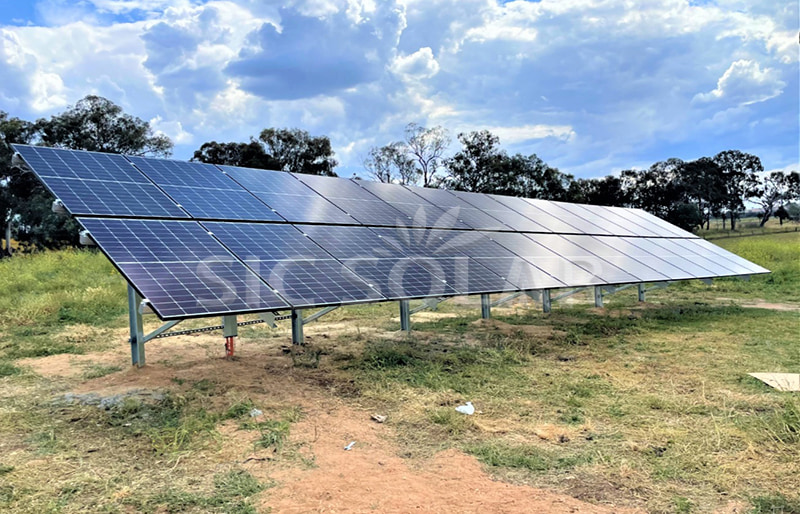
Solar Panel Racking System Ground Mount

What are the benefits of solar carports?

As the demand for renewable energy solutions continues to grow, solar carports have emerged as an efficient and space-saving way to produce clean electricity. Unlike traditional rooftop solar installations, solar carports utilize parking spaces to support solar panels, making them both functional and economical.

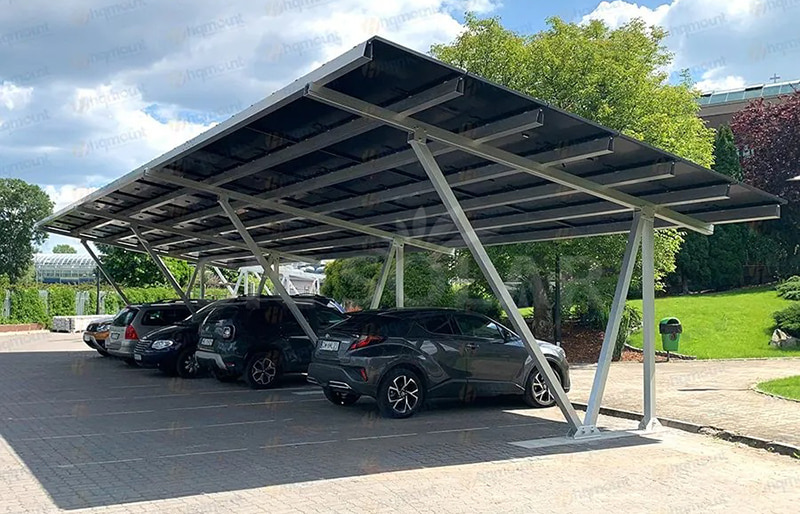
Carports With Solar Panels

1. Dual-Purpose Energy Solution

One of the biggest advantages of solar carports is their ability to perform two functions: they provide shade and protection for vehicles while generating solar energy. This makes them a great choice for businesses, schools, shopping centers, and residential areas to optimize available space.

2. Efficient Land Utilization

Unlike ground-mount solar systems that require dedicated land, solar carports utilize existing parking areas. This eliminates the need for additional land acquisition and helps property owners maximize space efficiency. SIC Solar offers robust mounting solutions that make it easy to install solar panels above parking lots without disrupting daily activities.

3. Protect Vehicles

Solar carports provide much-needed protection from weather conditions such as rain, snow, and excessive sunlight. Vehicles parked under solar carports are exposed to less UV rays, preventing paint fading and heat buildup inside the vehicle. This added benefit makes solar carports an attractive investment for businesses and commercial properties.

4. Higher Energy Output Compared to Rooftop Solar

Unlike traditional rooftop solar installations that may be limited by roof orientation, shading, and structural limitations, solar carports can be designed for optimal sun exposure. By adjusting the tilt angle and orientation of the panels, solar carports can achieve higher efficiency in energy generation.

5. Improved Stormwater Management

Solar carports can also help manage stormwater by directing it away from vehicles and parking surfaces. Some designs even incorporate rainwater collection systems, further enhancing environmental sustainability.

6. Increased Property Value and Sustainability

Investing in a solar carport can significantly increase the value of a property. Companies and organizations that integrate solar solutions demonstrate a commitment to sustainability, which can attract environmentally conscious customers and tenants. Additionally, many areas offer financial incentives and tax breaks for solar carport installations, making it a cost-effective investment.

7. Compatibility with Electric Vehicle Charging Stations

As electric vehicles (EVs) become more common, solar carports offer a natural solution for integrating EV charging stations. By pairing solar carports with charging infrastructure, businesses and property owners can provide electric vehicle drivers with renewable energy and reduce their reliance on grid electricity. SIC Solar ​​solar mounting solutions can be customized to accommodate solar EV charging stations, ensuring seamless integration.

Solar carports offer a smart and efficient way to generate renewable energy while maximizing the use of parking spaces. They provide shade and protection for vehicles, reduce energy costs, and contribute to sustainable development. With SIC Solar ​​high-quality solar mounting structures, installing a solar carport is a practical and long-term clean energy investment. Whether for a business, school, or residential property, a solar carport is a valuable addition to any space that wants to harness the power of the sun while remaining functional.

Is Flat Roof Solar Installation Suitable for All Climate Conditions?

As the world shifts toward renewable energy solutions, solar panels have become a popular choice for homeowners, businesses, and institutions. While rooftop solar systems are often the go-to solution, flat roof solar installations are gaining popularity for their practicality and adaptability. But when it comes to diverse climate conditions, the question arises: is a flat roof solar installation suitable for all weather environments?

Ballasted Flat Roof Mounting System


1. The Basics of Flat Roof Solar Installations

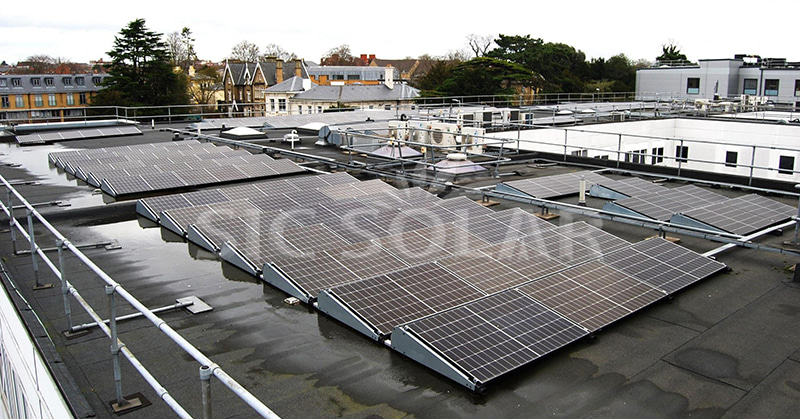
A flat roof solar installation typically uses a tilted mounting system to position the solar panels at an optimal angle for energy capture. The flat roof serves as a stable platform for the panels, and the mounting system allows the panels to be adjusted for maximum efficiency.

The system is generally designed to be non-penetrative, meaning it doesn’t require drilling into the roof itself, reducing the risk of damage to the roofing material. This makes it a good solution for commercial buildings, warehouses, and residential properties with flat or low-slope roofs.


2. Flat Roof Solar Installation in Different Climates

A. Cold Climates and Snowy Conditions

In areas that experience cold weather and heavy snowfall, flat roof solar installations can offer significant advantages, but they also come with unique challenges.

  • Advantages:
    • Snow Melting: Solar panels can absorb sunlight, helping to melt snow faster than the surrounding areas, especially if the panels are at a slight tilt.
    • Energy Production: In colder climates, solar panels tend to perform more efficiently, as they don’t overheat as they might in hotter conditions. This means energy production can remain strong throughout the winter months.
  • Challenges:
    • Snow Accumulation: One of the main concerns for flat roofs is the potential accumulation of snow on the panels, which can block sunlight and reduce energy production. However, with the right tilt angle, snow can slide off naturally, reducing the buildup.
    • Weight Load: Heavy snow and ice can place additional stress on the roof structure, potentially causing damage or compromising the installation. It’s essential that the flat roof structure is properly reinforced to handle these conditions.

SIC Solar provides robust mounting systems designed to ensure that panels are securely positioned, even in extreme weather. Our systems are designed with strength and durability in mind, making them suitable for installations in snowy regions.

B. Hot and Sunny Climates

In hot climates, flat roof solar systems perform well, but special considerations must be made to ensure that they operate efficiently.

  • Advantages:

    • Maximized Energy Production: Solar panels thrive in direct sunlight. In hot and sunny climates, flat roof systems can generate substantial amounts of electricity during the day, which is ideal for energy needs.
    • Cooling Effect: With the right ventilation and installation design, solar panels can help cool down the roof by absorbing sunlight, thus reducing the building’s overall cooling needs and lowering energy consumption for air conditioning.
  • Challenges:

    • Overheating: While solar panels generate more energy in direct sunlight, excessive heat can cause them to overheat, reducing efficiency. This can be mitigated with effective mounting systems that allow for proper airflow between the panels and the roof.
    • Dust and Debris: In desert-like conditions or areas with high levels of dust, dirt and debris can accumulate on solar panels, reducing their efficiency. Regular cleaning may be required to keep the panels performing optimally.

SIC Solar mounting solutions ensure that the panels are tilted at the right angle to minimize overheating, and our systems allow for adequate air circulation to maintain efficiency, even in hot climates.

C. Wet and Humid Climates

In wet or humid regions, such as coastal areas or tropical climates, the durability of a flat roof solar installation depends on the materials used and the overall design.

  • Advantages:

    • Efficient Energy Production: As with other climates, solar panels in humid or rainy regions can produce significant energy, especially if the roof is positioned to avoid excessive shading from nearby trees or structures.
    • Longer Sun Exposure: Even in cloudy or rainy climates, there are often sufficient periods of sunlight to make solar power a viable energy source.
  • Challenges:

    • Corrosion: The high humidity levels in coastal or tropical regions can cause metal components to rust or degrade over time. Using corrosion-resistant materials like stainless steel or galvanized aluminum for the mounting system is crucial.
    • Moss or Algae Growth: In areas with high humidity, the potential for moss or algae growth on the roof could interfere with the solar panels. Proper maintenance is essential to prevent this buildup.

SIC Solar mounting solutions are made with corrosion-resistant materials and designed to withstand the rigors of wet and humid environments, ensuring long-lasting performance even in challenging weather conditions.


3. Best Practices for Flat Roof Solar Installations in Different Climates

A. Consider the Roof Structure

Before installing a solar system on a flat roof, it’s crucial to ensure that the roof is in good condition and can handle the additional weight. For areas with heavy snow or rain, the roof should be reinforced to accommodate these conditions.

B. Select the Right Mounting System

For all climate conditions, choosing the right mounting system is essential. SIC Solar offers a range of mounting solutions that are weather-resistant, durable, and designed for various environments. Our systems are engineered to withstand extreme temperatures, heavy rainfall, high winds, and snow loads.

  • Tilted Mounting Solutions: Our systems allow for adjustable tilt angles, ensuring that solar panels are positioned at the most efficient angle for sunlight capture. This is especially important for snowy or sunny climates.

C. Regular Maintenance and Monitoring

In any climate, regular maintenance is important for maximizing the performance of your solar panels. This includes checking for snow accumulation, cleaning panels to remove dust or debris, and inspecting the mounting system for wear and tear.

Effective Cleaning Techniques for Solar String Lights

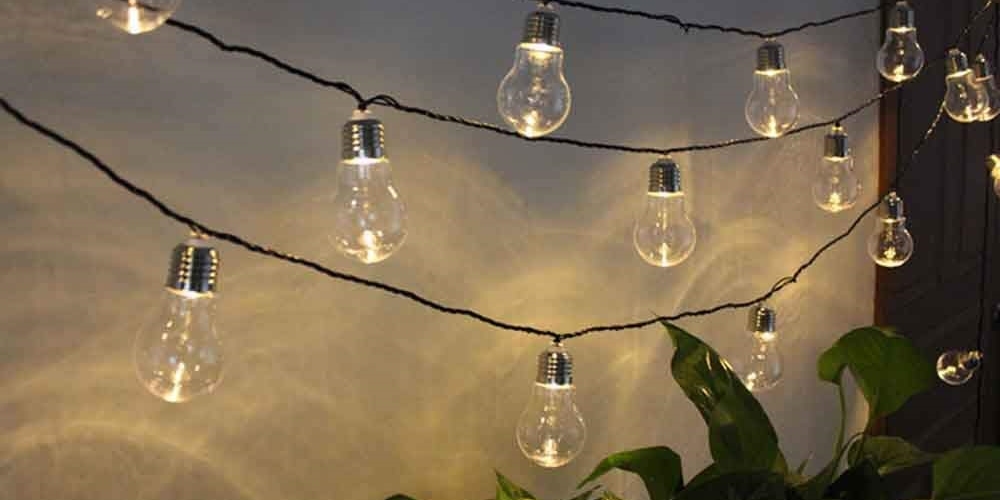
Solar string lights are an attractive and environmentally friendly option for lighting up outdoor areas, but they need consistent upkeep to function at their best. Over time, factors like dirt, dust, and weather can diminish their brightness and efficiency. Here are some useful cleaning methods to keep your solar outdoor string lights glowing.


Begin by turning off and disconnecting the lights for safety. Use a soft, damp cloth to gently clean the solar panels, removing any dirt or debris that might obstruct sunlight. Steer clear of harsh chemicals or abrasive materials, as they can harm the panels and hinder the lights' ability to charge properly.


Next, clean the light bulbs or LED covers. A microfiber cloth slightly moistened with water or a mild soap solution can effectively wipe away dirt and grime. For difficult-to-reach spots, a cotton swab can be useful. Make sure the lights are completely dry before reconnecting them to avoid moisture damage.


solar powered string lamp


Don’t forget to check the wiring and connections. Outdoor elements can cause wear over time, so look for any frayed wires or loose connections and fix them promptly. Maintaining the wiring is crucial for the safety and functionality of your solar powered string lamp.


Lastly, store your lights properly during severe weather or off-seasons. Keep them in a cool, dry place to prevent damage and prolong their lifespan. Regular cleaning and appropriate storage will help ensure your solar bulb string light remain bright and last longer.


SLD, Solar Lights Do, is a company that specializes in producing and selling high-quality solar lights. We provide a variety of efficient and durable solar lighting options, including solar string lights, designed for outdoor use. If you're interested, please visit us at www.solarlightsdo.com.

Alkaline Electrolyzer Stack vs. PEM Electrolyzer Stack Which One is more suitable for Your Hydrogen Production?

In the field of hydrogen production, choosing the right electrolyzer stack is crucial. Currently, the two most popular types of stacks are the Alkaline Electrolyzer stack and the PEM Electrolyzer stack. But which one is better suited to your needs? Let’s dive deeper to help you make an informed decision.


1. What is an Alkaline Electrolyzer Stack?

An ALK Electrolyzer stack uses an lye solution, typically potassium hydroxide (KOH), as the electrolyte. This technology has been around for decades and is known for its reliability and cost-effectiveness. Due to its lower operational costs and longer lifespan, alkaline electrolyzer stacks are well-suited for large-scale hydrogen production.


2. What is a PEM Electrolyzer Stack?

A PEM Electrolyzer Stack(Proton Exchange Membrane) uses a solid polymer electrolyte. This type of stack is more compact and can operate at higher current densities, making it suitable for applications where space is limited. PEM electrolyzer stacks can better adapt to variable power inputs, making them ideal for use in conjunction with renewable energy sources such as wind and solar.


3. Conclusion

The choice between alkaline electrolyzer stack or PEM electrolyzer stack depends on your specific needs for hydrogen production.

ALK electrolyzer stack: suitable for low-cost, large-scale, and low water quality requirements scenarios, such as industrial by-product hydrogen and power grid peak shaving.

PEM electrolyzer stack: suitable for scenarios with high purity, fast response, and limited space, such as hydrogen refueling stations and vehicle mounted hydrogen production.

By understanding the advantages and disadvantages of each electrolyzer stack, you can optimize the hydrogen production process and achieve sustainable development goals more efficiently.

Project Update | Vertical BAPV System in Kobe, Hyogo, Japan

JinMega has launched the next-generation Wall Facade PV Vertical BAPV System, featuring enhanced design and performance. In 2024, our initial system was successfully installed in Kobe, Hyogo, Japan, demonstrating its reliability and efficiency. Now, with further improvements and upgrades, our solution offers even greater efficiency, durability, and adaptability. 


Key Advantages of the JinMega Wall Facade PV System:

Stable – Made of high-quality aluminum, ensuring long-term strength and corrosion resistance.  

Efficient – A lightweight and simple structure for quick installation, maximizing land use efficiency.  

Flexible – Compatible with masonry and concrete walls with bonded rebars, adapting to diverse building types.  


By transforming building facades into energy-generating surfaces, JinMega continues to deliver sustainable and space-efficient solar solutions.  

Looking for an innovative solar installation? Discover how our Wall Facade PV System can power your next project! Click here.


How Solar Lights Contribute to Sustainable Landscaping

Sustainable landscaping is an increasingly popular approach that focuses on environmentally friendly practices, with solar lights playing a crucial role in this movement. By harnessing solar energy, these lights provide a clean and efficient alternative to conventional lighting systems. They help decrease dependence on non-renewable energy sources, lower carbon emissions, and contribute to the creation of eco-friendly outdoor environments.


Solar lights are extremely energy-efficient, as they operate solely on sunlight converted into electricity via photovoltaic panels. This eliminates the need for grid electricity, which often depends on fossil fuels. The use of LED technology in solar lights further boosts their efficiency, as LEDs consume less energy and last longer than traditional bulbs. This combination of solar energy and LED lighting significantly cuts down on energy use and promotes sustainable living.


Moreover, solar LED lighting helps mitigate light pollution, a growing issue in urban and suburban areas. Many solar lighting systems are designed to provide focused illumination, such as garden solar powered spotlight, directing light exactly where it is needed. This reduces unnecessary light spill into the night sky, preserving natural darkness and supporting ecosystems that rely on natural light cycles. By minimizing light pollution, solar lights contribute to a healthier environment and enhance the visual appeal of outdoor spaces.


holiday solar string lamp 

The low maintenance needs of solar lights make them an appealing choice for sustainable landscaping. Unlike traditional lighting systems that require extensive wiring and frequent bulb changes, solar lights are self-sufficient and easy to install. They operate on rechargeable batteries that store energy during the day, ensuring dependable performance at night. This simplicity and durability make solar lights a practical and cost-effective option for both homeowners and businesses.


Additionally, solar lights come in a variety of designs, allowing them to fit seamlessly into different landscaping styles. Whether used to light pathways, accentuate garden features, or create ambient lighting for outdoor events with holiday solar string lamp, these lights improve both the functionality and aesthetics of outdoor areas. Their ability to combine sustainability with beauty makes them a valuable addition to any eco-friendly landscape design.


For high-quality solar lighting solutions, please visit SLD, Solar Lights Do at www.solarlightsdo.com. Specializing in durable and efficient solar lights designed for outdoor use, SLD is committed to helping you create sustainable and stunning landscapes.

Different Types of Hydrogen Electrolyzer and Their Functions

Hydrogen electrolyzers are devices that use electricity to decompose water (H2O) into hydrogen (H2) and oxygen (O2) through a process called electrolysis. There are several types of hydrogen electrolyzers, each with different technologies, operating conditions, and applications.

The main types are:

1. Alkaline Electrolyzer (ALK)

(1)Technology: Uses an alkaline solution (typically potassium hydroxide, KOH) as the electrolyte.

(2)Operating Temperature: 70-90°C.

Electrical Efficiency: 60-70%.

(3)Advantages:Mature and well-established technology,Lower cost compared to othertypes,Durable and long-lasting. 

(4)Disadvantages: Lower efficiency compared to newer technologies. Slower response to variable power input (less suitable for renewable energy integration).

(5)Applications: Large-scale industrial hydrogen production, ammonia production, and refining.

2. Proton Exchange Membrane Electrolyzer (PEM)

(1)Technology: Uses a solid polymer electrolyte (proton exchange membrane) and pure water.

(2)Operating Temperature: 50-80°C.

(3)Efficiency: 70-80%.

(4)Advantages: Highly efficient and compact. Rapid response to variable power input (ideal for renewable energy integration). High-purity hydrogen output.

(5)Disadvantages: Higher cost due to expensive materials (e.g., platinum catalysts). Shorter lifespan compared to alkaline electrolyzers.

(6)Applications: Small to medium-scale hydrogen production, renewable energy storage, and fuel cell vehicles.

3. Solid Oxide Electrolyzer

(1)Technology: Uses a ceramic electrolyte that conducts oxygen ions at high temperatures.

(2)Operating Temperature: 700-1000°C.

(3)Efficiency: 80-90% (with heat recovery).

(4)Advantages: Highest efficiency due to high-temperature operation. Can utilize waste heat from industrial processes. No need for expensive catalysts.

(5)Disadvantage: Requires high operating temperatures, leading to slower start-up times. Challenges with durability and material stability at high temperatures.

(6)Applications: Large-scale industrial hydrogen production, synthetic fuel production, integration with high-temperature industrial processes.

4. Anion Exchange Membrane Electrolyzer (AEM)

(1)Technology: Uses an anion exchange membrane and alkaline electrolyte.

(2)Operating Temperature: 60-80°C.

(3)Efficiency: 60-70%.

(4)Advantages: Combines the advantages of alkaline and PEM electrolyzers (lower cost, moderate efficiency). Can use non-precious metal catalysts.

(5)Disadvantages: Still in the development stage, with limited commercial availability. Lower durability compared to PEM and alkaline electrolyzers.

(6)Applications: Emerging technology with potential for small to medium-scale hydrogen production.

Functional Summary:

1. Alkaline Electrolyzer: Best suited for large-scale, cost-effective hydrogen production.

2. PEM Electrolyzer: Ideal for renewable energy integration and high-purity hydrogen requirements.

3. Solid Oxide Electrolyzer: Suitable for high-efficiency, high-temperature industrial applications.

4. AEM Electrolyzer : Emerging technology with potential for cost-effective, moderate-efficiency hydrogen production.

Each type of electrolyzer has its own advantages and limitations, making them suitable for different applications based on factors such as scale, cost, efficiency, and integration with renewable energy sources.

Can lithium iron phosphate battery packs be connected in series like battery cells?

When you connect batteries in series, the voltage adds up, but the capacity (amp-hour rating) remains the same as a single cell. For example, if you have four 3.2V LiFePO4 cells in series, the total voltage would be 12.8V (3.2V × 4), but the capacity would remain the same as the capacity of one cell. If I have four 12.8V battery packs, can I connect them in series to make 51.2V? The answer is yes. In that case, the same principles apply, but there are some additional considerations when connecting complete battery packs in series: 


1. Ensure Matching Packs:

Each battery pack should be of the same voltage, capacity (Ah), and chemistry. Even if you're using multiple packs of LiFePO4 cells, the packs must be at the same state of charge (SOC) and have similar voltages before connecting them in series. If not, you could risk overcharging one pack or overdischarging another.


2. Battery Management System (BMS):

For each individual pack in the series, you need a BMS that ensures proper monitoring, balancing, and protection. In many cases, when you connect multiple packs in series, you'd also need a master BMS to monitor the entire string of packs (not just the individual pack BMSs). The BMS should balance the voltage across all connected packs. If the packs are not balanced, it can lead to issues such as uneven charging, pack damage, or safety concerns.


3. Charging Voltage:

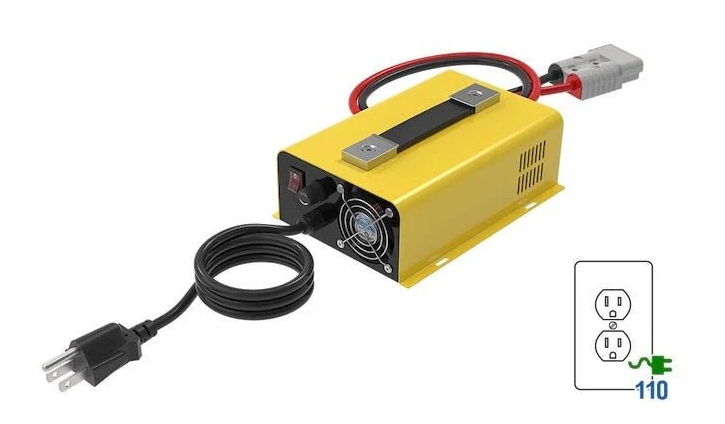
The charger you use must be able to handle the total voltage of the entire pack configuration (the sum of the voltages of the individual packs). For example, if you have four 12V LiFePO4 battery packs connected in series, the total voltage will be 48V. So, you'd need a charger designed for a 48V system.

  • 12V LiFePO4 battery packs

4. Voltage and Current Consistency:

When connecting multiple packs in series, the voltage will add up, but the current (amp-hours) rating remains the same as one pack. However, each pack must be able to handle the total current being drawn from the entire series configuration.

  • If one pack is weaker or mismatched (in terms of capacity or voltage), it could end up being over-discharged or overcharged, damaging the pack or even creating a safety hazard.
  •  

5.Safety and Monitoring:

It’s extremely important to have overvoltage, undervoltage, and overcurrent protection in place. This ensures that no pack is pushed beyond its limits, especially when the system is in use or during charging.

Electric vehicle batteries are not durable, how can we make the vehicle run more than ten kilometers? Achieve these four points

For a long time, the durability of electric vehicle batteries has been a key topic for users. Many users have this question, which is how to make the vehicle run more than ten kilometers? Actually, in my opinion, only these four points need to be achieved to maximize the vehicle's range.

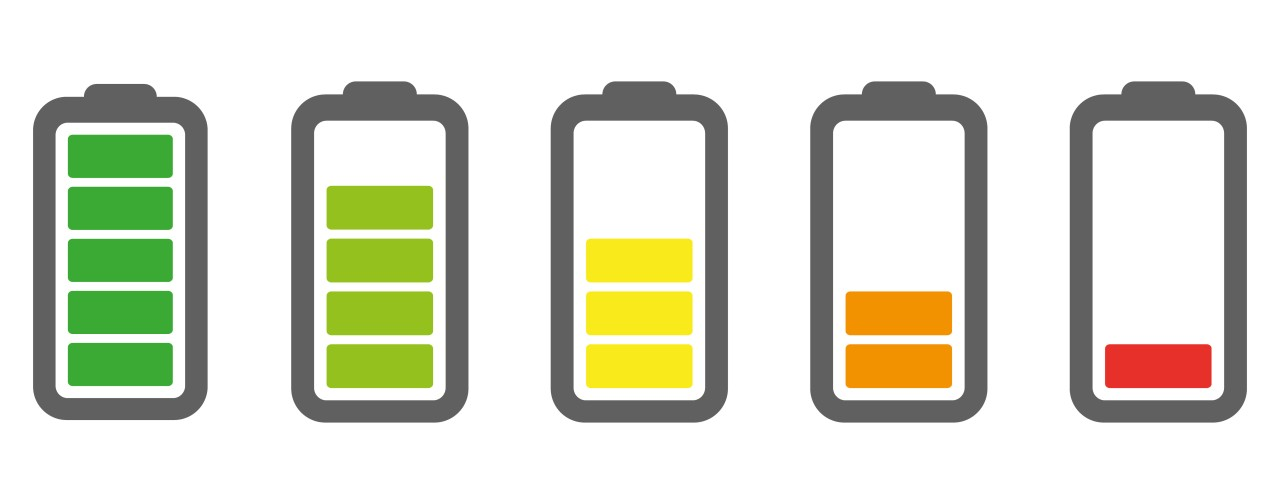
1. Try to control the remaining battery level to 30% to 50% for charging, and do not use it all up

Firstly, the first point is not to recharge the vehicle's battery every time you ride, as doing so for a long time can damage the battery and affect its durability. The correct approach is to try to control the remaining battery power to 30% to 50% for charging, which is more conducive to protecting the battery and extending its service life.

2. Try to maintain low-speed driving as much as possible

Secondly, for electric vehicles, many vehicles have three gears, and although the low gear is slower, it runs the most energy-efficient and has the longest range.

3. Maintain reasonable tire pressure

In addition, tire pressure can also affect the vehicle's range. For ordinary vehicles, if the tire pressure is insufficient, the resistance during driving will increase and the range will be shortened. Therefore, maintaining a reasonable tire pressure can minimize driving resistance and ensure a longer range of the vehicle.

4. Do not mix inferior chargers for charging

Finally, it is important not to mix chargers for charging, as mixing inferior chargers not only poses safety risks, but also results in insufficient or insufficient charging, and in severe cases, may even damage the battery. Therefore, not mixing inferior chargers for charging, and using dedicated chargers for vehicles, is beneficial for protecting the battery and extending its range.

In short, electric vehicle batteries are not durable. Under normal and fault free conditions, the above four methods can be tried. Generally speaking, they are beneficial for extending the range of electric vehicles, and it is also possible to run more than ten kilometers. However, it should be noted that choosing high-quality batteries is also necessary.

Jubao New Energy always adheres to the corporate philosophy of "technology empowers the future, quality forges excellence", and is committed to creating top-notch solutions in the field of new energy for you. We rely on our industry-leading R&D team and provide you with a full industry chain product matrix covering photovoltaic energy storage systems, intelligent charging equipment, and core components of new energy vehicles through ISO 9001 quality management system and multiple international certifications such as CE and UL. Each product undergoes 21 precision testing processes, using nano coating technology and AI intelligent control system, and exceeds industry standards by more than 15% in key indicators such as conversion efficiency, service life, and safety performance. We have also launched a full cycle butler service, from customized solution design in the early stage to intelligent operation and maintenance management in the later stage, with an average annual customer satisfaction rate of 98.7%, continuously creating green energy value for customers in more than 50 countries and regions around the world