Enhancing Solar Installations Non-Penetrating Solar Roof Mounts

As the adoption of solar energy continues to rise, the need for efficient and reliable mounting solutions becomes increasingly important. Non-penetrating solar roof mounts have emerged as a preferred option for installing solar panels on various types of roofs without compromising the roof’s integrity. 

Understanding Non-Penetrating Solar Roof Mounts

Non-penetrating solar roof mounts are designed to secure solar panels on rooftops without the need for drilling or penetrating the roof surface. Instead of relying on screws or bolts that pierce the roof membrane, these mounts use weights (ballast) or adhesive materials to hold the panels in place. This method protects the roof from potential leaks and structural damage, making it an ideal solution for both residential and commercial buildings.

Key Features and Benefits

1. Protection of Roof Integrity: Non-penetrating mounts prevent any damage to the roof membrane, reducing the risk of leaks and extending the roof’s lifespan. This feature is especially beneficial for flat roofs and roofs with delicate or older materials.

2. Ease of Installation: These mounts are designed for quick and straightforward installation, reducing labor costs and installation time. The pre-assembled components and modular design make the process efficient, enabling faster project completion.

3. Versatility and Flexibility: Non-penetrating mounts are versatile and can be used on a variety of roof types, including flat, low-slope, and some pitched roofs. They are compatible with different solar panel sizes and configurations, offering flexibility to meet specific project requirements.

4. Optimal Tilt and Orientation: These mounting systems allow for the optimal tilt and orientation of solar panels to maximize sunlight exposure and energy production. Adjustable tilt options can be customized based on geographic location and seasonal variations.

5. Durability and Stability: Constructed from high-quality materials such as aluminum and stainless steel, non-penetrating mounts are designed to withstand harsh weather conditions, including wind, rain, and snow. The ballast or adhesive methods ensure that the system remains stable and secure over time.

6. Cost-Effective: By avoiding roof penetrations, these mounts reduce the need for additional waterproofing measures and roof repairs, leading to lower overall project costs. The ease of installation also contributes to cost savings.

Applications

Non-penetrating solar roof mounts are suitable for a wide range of applications, including:

- Residential buildings with flat or low-slope roofs

- Commercial and industrial buildings

- Educational institutions

- Government and municipal buildings

- Warehouses and distribution centers

Partnering with SIC Solar

To ensure the successful implementation of non-penetrating solar roof mounts, partnering with a reputable supplier is essential. SIC Solar, a leading provider of solar mounting solutions, offers a comprehensive range of non-penetrating mounts designed to meet the diverse needs of solar projects. With SIC Solar's expertise and support, solar installers and project developers can achieve seamless integration and optimal performance of their solar systems.

Conclusion

Non-penetrating solar roof mounts provide an efficient, durable, and versatile solution for securing solar panels on rooftops without compromising the roof’s integrity. With benefits such as ease of installation, versatility, optimal tilt, durability, and cost-effectiveness, these mounts are essential for the success of solar projects on various roof types. Partnering with SIC Solar further enhances the reliability and efficiency of these installations, ensuring a sustainable and effective transition to renewable energy.

non penetrating solar roof mount

Industry Dynamics of Solar Mounting Systems in Turkey

Turkey is experiencing significant growth in the solar energy sector, with a particular focus on solar photovoltaic (PV) installations. The development of robust solar mounting systems is crucial for optimizing energy production and ensuring the long-term reliability of solar PV installations. This article provides a concise overview of the industry dynamics and trends surrounding solar mounting systems in Turkey.


The increasing adoption of solar energy in Turkey has stimulated the demand for high-quality solar mounting systems. These systems serve as the foundation for solar PV panels and play a crucial role in maximizing energy generation by providing sturdy support and optimal panel alignment.


The Turkish solar mounting system industry is witnessing ongoing technological advancements. Manufacturers are developing innovative designs that offer improved ease of installation, increased adjustability, and enhanced durability. Advanced features, such as tilt angle adjustability and tracking capabilities, enable solar panels to capture sunlight more effectively, leading to higher energy yields.


To ensure the safety and reliability of solar installations in Turkey, regulatory bodies have implemented certification standards for solar mounting systems. Compliance with these standards is essential for manufacturers and installers, ensuring that systems meet quality and performance requirements. Adherence to these standards provides confidence to investors and promotes a sustainable solar energy sector.


The growing demand for solar mounting systems has spurred competition among domestic and international manufacturers. The Turkish market has witnessed the emergence of local manufacturers, contributing to job creation and the development of a domestic supply chain. Local production not only supports the economy but also offers the advantage of shorter lead times and easier access to technical support and after-sales services.


The integration of solar mounting systems into building and infrastructure projects is gaining traction in Turkey. Developers and architects are incorporating solar PV systems into commercial buildings, housing complexes, and industrial facilities. This integration requires specialized solar mounting systems that can seamlessly blend with the existing structures while ensuring optimal energy production.


Turkey's solar mounting system industry is experiencing dynamic growth driven by the increasing adoption of solar energy. Technological advancements, adherence to regulatory standards, market competition, local manufacturing, and integration with building projects are shaping the industry. These developments are key to unlocking the full potential of solar energy and supporting Turkey's transition towards a sustainable and renewable future.

Have you found the BEST ground mounting system manufacturer yet?

As a leading manufacturer and supplier in the solar industry, SR SOLAR specializes in providing high-quality solar mounting solutions with decades of experience in solar market. Today, I wanted to highlight our exceptional solar ground mount systems.

Now, please allow me to share some key advantages of choosing our ground mount systems for your solar energy projects:
 

1. Type Options:
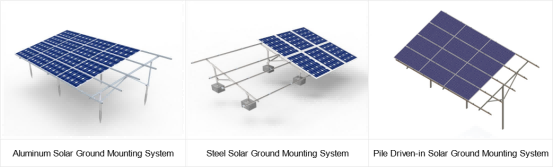
At SR SOLAR, we offer a diverse selection of foundations to suit your project's requirements. You have the flexibility to choose from screw piles, concrete blocks, C type piles, or H type piles.


Solar ground mounting system
 

2. Customizable Designs:
We offer a range of design options to meet the specific requirements of each project, such as: material, foundation, waterproof, design standard. Whether you have limited space, uneven terrain, or unique site conditions, our ground mount systems can be tailored to maximize energy generation.
 
3. Easy Installation:
To simplify the installation process, the sloped beam part of the structure is pre-assembled in our factory before shipment. When it arrives at your site, you only need to pull it out and set it up. This streamlined process saves both time and money.
 
4. Exceptional Durability:
Our aluminum support structures undergo anodization, enhancing their corrosion resistance and ensuring long-lasting durability in various environmental conditions. Alternatively, our steel supports are available with hot-dip galvanization or a magnesium-aluminum-zinc alloy coating, providing superior protection against corrosion. The galvanized layer can reach a thickness of 80um or more, ensuring robust and reliable performance.

If you're in search of a high-quality solar ground mounting system, you definitely don't want to overlook this opportunity! Thank you!

How to Choose a Portable Power Supply

Factors to Consider When Selecting a Portable Power Supply


When selecting a portable power supply,  Here are some considerations to keep in mind:


Capacity: Determine how many watt-hours (Wh) your portable power supply can store. This will dictate how long you can power your devices before recharging.


Output Power: Look at the continuous and peak wattage your portable power supply can deliver. This can help you identify which devices you can power simultaneously.


Portability: Consider the portable power supply's weight and size, especially if you’re using it for camping, hiking, or other outdoor activities.


Input Charging Options: Check if the unit supports solar charging, wall outlets, car charging, or other methods. Solar compatibility can be crucial if you’re using it off-grid.


Number and Type of Ports: Ensure the portable power supply has a variety of ports (USB, AC, DC, etc.) to suit all your devices.


Battery Life: Research how many charge cycles the battery can undergo before losing capacity.


Safety Features: Ensure the power station has overcharge protection, short circuit protection, temperature control, and other features.


Cost: While the initial investment might be high, consider the long-term savings and value provided by the portable power supply.


Environmental Impact: Opt for models that can be charged using renewable energy sources, like solar panels, if you prioritize sustainability.


Brand Reputation: Look for brands known for quality, reliability, and good customer service.


When to Use Portable Power Supplies


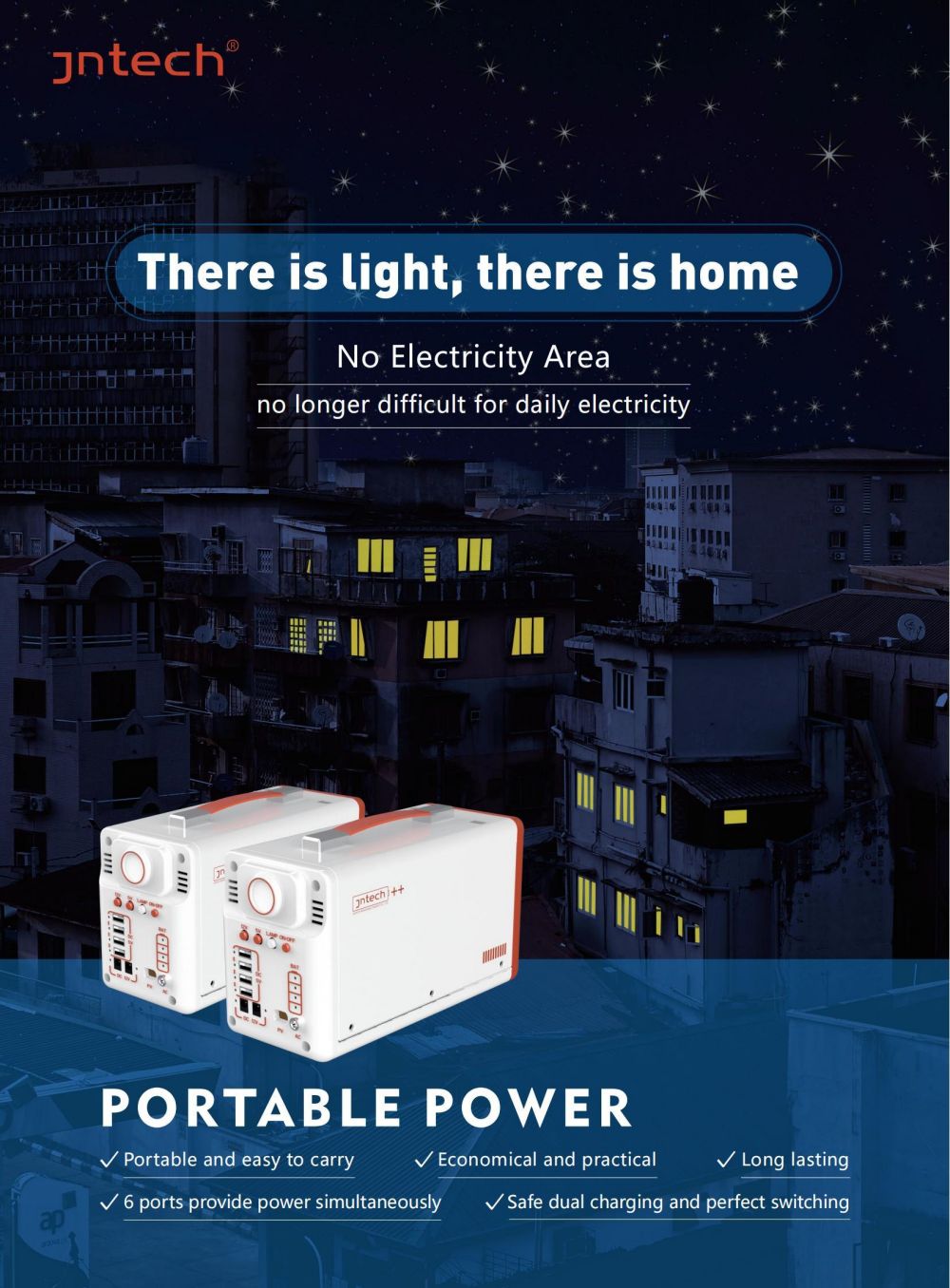
Portable power supplies can fit a variety of situations. They are great for power supply in areas without electricity, emergency power supply for households, outdoor camping, hiking, and trips to the beach. A Portable Power Supply is also helpful if you frequently experience brief power outages due to weather. It can keep essential devices like smartphones and laptops charged.


Portable power supplies work best when you don’t need large power output. They cannot power large appliances but work well with lighter loads. Portable power supplies work best when you don’t have access to an outlet for charging. Portable power supplies are also suitable for people who want to avoid fuss with regular maintenance or lack technical know-how.


Jntech's portable energy storage device is a lightweight product with an output power of up to 300W and a storage capacity of 0.32 kWh. You can plug in up to 7 devices at a time and it has passed several safety tests. Contact us today to find out how this product can meet your needs.


What is a high-voltage solar charger?

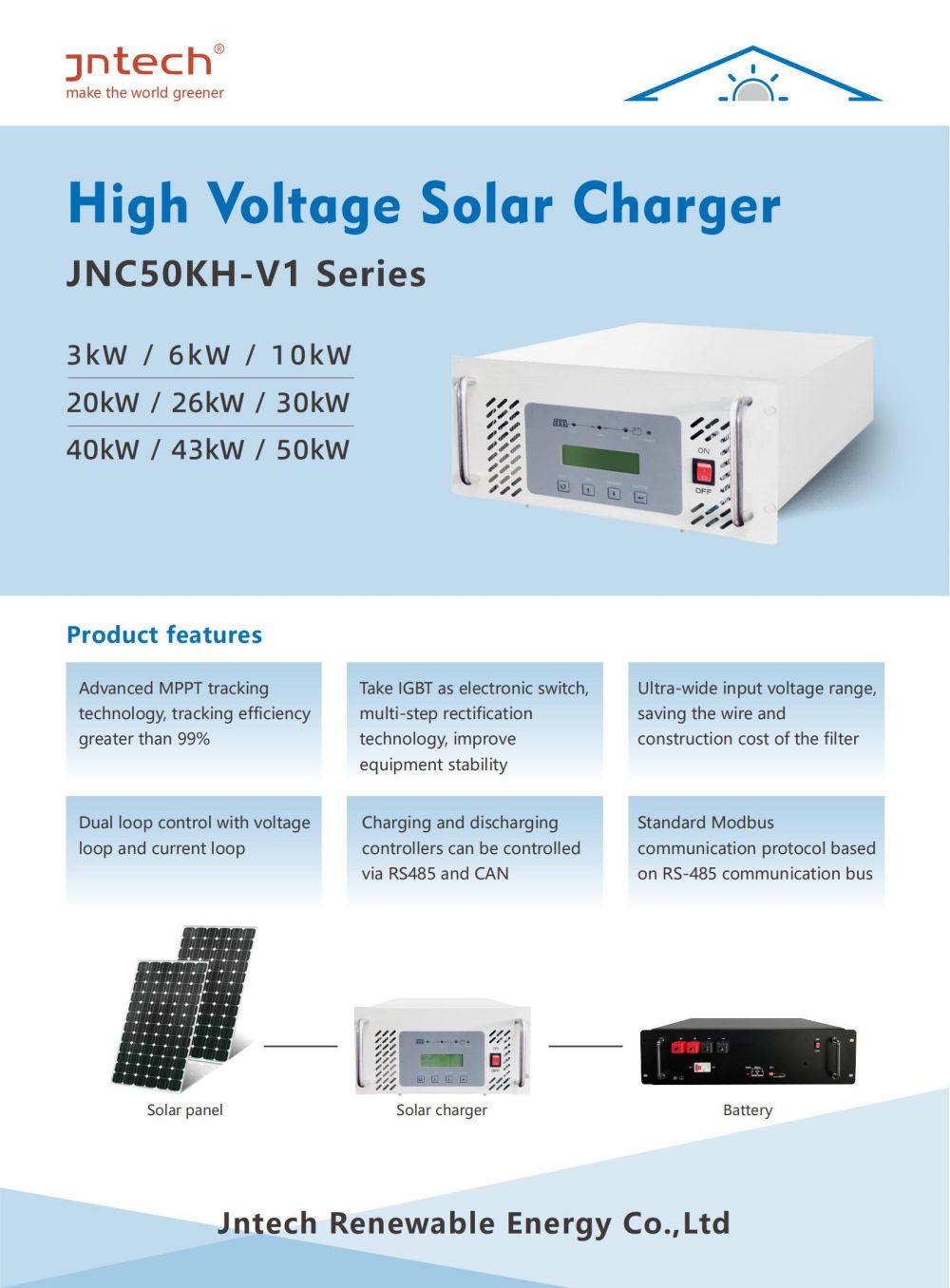
High-voltage solar chargers are designed for large-scale solar energy storage and direct-drive solar power supply systems. It is a DC-DC charge controller with electronic protection and adaptive charging functions. Therefore, we also call it the MPPT solar charge controller.


The high voltage MPPT solar charger control algorithm used in the solar charger optimizes real-time solar panel energy output and allows customization of battery parameters. The controller can charge the battery independently or be integrated with an energy storage system. In addition, it provides remote control and parallel operation through external communication.


In solar power generation systems, MPPT charge controllers play a vital role in grid-connected, off-grid and hybrid solar systems. It allows solar panels to operate at maximum efficiency, thereby increasing the system's energy output.


Whether under variable sunlight conditions or extreme environments, Jntech's high-voltage solar chargers can track and continuously adjust the power load through advanced MPPT to maximize the operating efficiency of the solar power generation system.


Jntech 3-50kW high voltage solar chargers are available for you to choose from, if you have any needs, please call or send us an email.

How to use wind and solar energy to charge electric cars

Charging electric vehicles using wind and solar energy is a viable and environmentally friendly solution. Wind energy and solar energy are two major renewable energy sources. Combined with charging piles and energy storage technology, we can fully use these energy sources to provide power for electric vehicles.


First of all, using wind energy to generate electricity is a common way. By setting up wind turbines, wind energy can be collected and converted into electrical energy. Building wind farms can provide charging services for nearby electric vehicles in suitable locations, such as coastlines or areas with abundant wind energy resources.


Secondly, solar energy is also an ideal energy choice. By converting sunlight into electricity through solar panels, we can install charging equipment in outdoor parking lots, rooftops or solar farmlands for charging electric vehicles. Today, with the continuous development of solar photovoltaic technology, the cost of solar power supply is gradually decreasing, and more and more places have adopted solar charging stations.


To improve the utilization rate of renewable energy and charging efficiency, a hybrid power supply system combining wind and solar energy is also an innovative approach. According to local weather and natural resource conditions, electric vehicle charging infrastructure should be planned rationally to ensure that charging equipment can provide stable and reliable power for electric vehicles under different weather conditions.


By combining the advantages of wind and solar energy, we can provide clean, renewable and green charging services for large-scale farmland and outdoor parking lots. Jntech wind and solar storage and charging station systems have various configurations for you. If you have any needs, please call us toll-free or email us.

Why Kaiying Power insists on using high-quality smelted lead as production material?

In today's rapidly evolving battery market, Kaiying Power has consistently adhered to the decision to use high-quality smelted lead as a production material. This decision is not incidental but based on a profound understanding of battery performance and longevity, as well as respect for user demands. Here are several key reasons why Kaiying Power insists on using high-quality smelted lead:


1. Stable and Reliable Performance

Kaiying Power recognizes that high-quality smelted lead can provide more stable and reliable battery performance. This is because the high purity of lead can reduce the impact of other metals or impurities on battery performance, ensuring consistent and reliable performance during charging and discharging. This aligns with user expectations for long-term stable product usage.


2. Extended Battery Lifespan

The uniform metal grain structure of smelted lead can slow down the corrosion and degradation of plates, thereby extending the battery's lifespan. For users, this means a longer battery cycle life and more durable performance, reducing the frequency of battery replacement and maintenance costs.


3. Enhanced Starting Performance and Energy Output

High-purity smelted lead can provide better conductivity and energy output, improving the battery's starting performance. Especially in low-temperature conditions, users can rely more on the battery to quickly start vehicles or equipment, enhancing the product's reliability in extreme environments.


4. Maintained Stable Capacity

Batteries manufactured using high-quality smelted lead can promote internal chemical reactions and reduce unnecessary losses, improving the battery's capacity retention. This means the battery can maintain a stable output capacity during long-term usage, meeting users' demands for sustained performance.


While recycled lead may reduce costs to some extent, Kaiying Power insists on using high-quality smelted lead as a production material out of a high regard for product quality and user experience. By providing stable and reliable battery performance, extending battery lifespan, enhancing starting performance and energy output, and maintaining stable capacity, Kaiying Power is committed to offering users high-quality, high-performance SLA battery products, creating greater value and trust for customers.


Comparing Motorcycle Batteries Why VRLA Leads the Way

Motorcycles, as convenient and efficient means of transportation, rely heavily on the reliability and stability of their power systems. Different types of batteries have varying effects on motorcycle performance and user experience. In today's market, Valve Regulated Lead Acid (VRLA) batteries remain the mainstream choice in the motorcycle industry. This article will compare open lead-acid batteries, lithium iron phosphate batteries, and sodium-ion batteries, emphasizing the dominant position of VRLA batteries in motorcycles.


Firstly, open lead-acid batteries and VRLA batteries are two common types of lead-acid batteries. Open lead-acid batteries require regular inspection and electrolyte replenishment, making maintenance cumbersome, while VRLA batteries do not need regular water addition, making them more convenient to use and maintain. Additionally, lithium iron phosphate batteries offer higher safety and cycle life compared to lead-acid batteries, while sodium-ion batteries boast lower costs and more abundant resources.


However, despite these advantages, VRLA batteries are still predominantly used in the market. VRLA batteries have a long history of use and technological maturity, accumulating rich application experience in the motorcycle industry. Their stable performance, moderate price, and easy maintenance make VRLA batteries the preferred choice for motorcycle power systems. Particularly in terms of safety, convenience of use, and cost considerations, VRLA batteries continue to hold a dominant position.


Overall, although lithium iron phosphate batteries and sodium-ion batteries have advantages in certain aspects, VRLA batteries remain the primary choice for motorcycle batteries in the current market. With the development of technology and the maturity of new battery technologies, there may be more high-performance batteries suitable for motorcycles in the future. However, for now, VRLA batteries remain one of the most trusted solutions for motorcycle power systems among consumers.

From Standard To Superior The Evolution Of Solar Panel Cell Sizes From 156mm To 210m

The development of solar panel cells, specifically the evolution from 156mm to 210mm sizes, marks a significant advancement in solar technology. This journey encapsulates not just an increase in size but a profound impact on efficiency, cost, and the potential for solar power.

Solar Cells

Early Beginnings

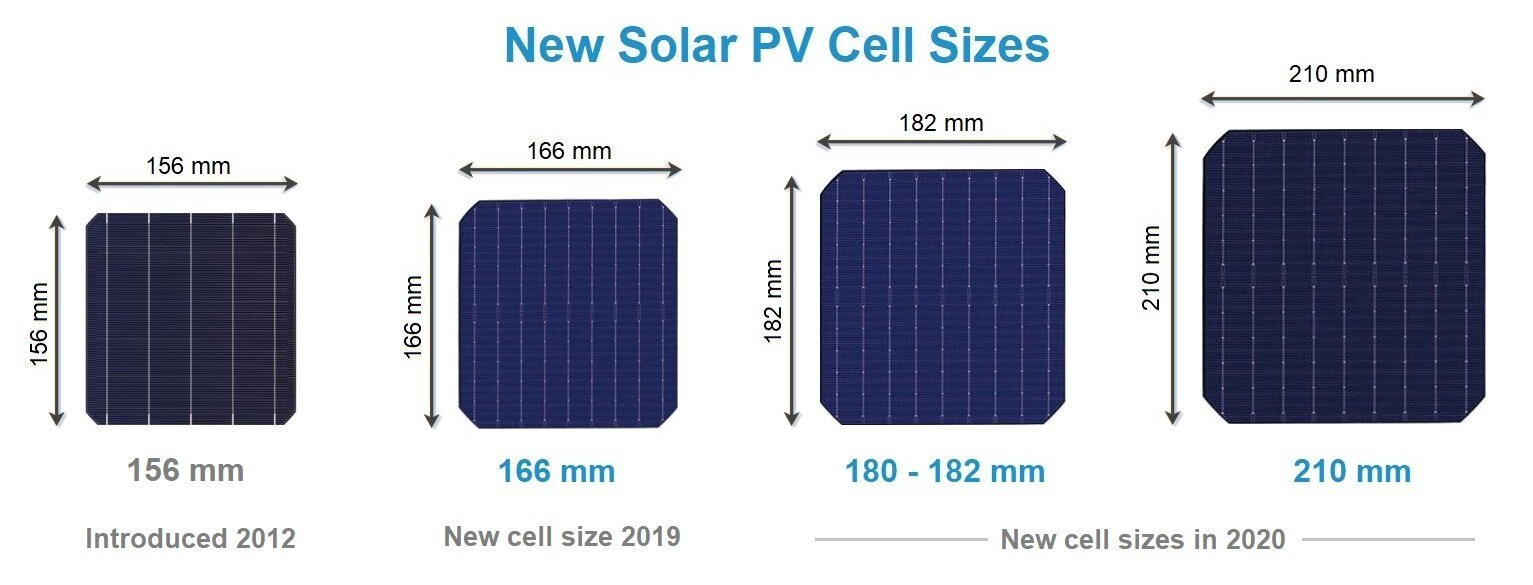
The journey began with the 156mm (6-inch) solar cells, which were the industry standard for many years. This size was widely adopted due to the balance between manageable physical dimensions and efficiency. These cells were easier to produce, handle, and integrate into solar panels, making them a popular choice for both residential and commercial solar applications.

The Drive for Greater Efficiency

As the demand for more efficient and cost-effective solar solutions grew, the industry sought ways to improve the power output of solar panels without significantly increasing costs. This led to the gradual increase in cell sizes. The transition from 156mm cells to larger formats aimed to reduce the overall cost per watt of solar power by increasing the area available for sunlight absorption, thus enhancing the panel's power output.

See our tranditional solar panels

Introduction of M6 and M10 Cells

The introduction of the M6 (166mm) and M10 (182mm) solar cells marked intermediate steps in this evolution. These sizes offered improvements in efficiency and the power output of solar panels. The larger cell size allowed for fewer gaps between cells in a solar panel, reducing the amount of inactive space and increasing the panel's overall efficiency.

See our 182mm Half cell solar panels

Arrival of the 210mm Cell

The development of the 210mm (also known as G12 or M12) solar cell represents the latest advancement in this evolutionary path. The 210mm cell size significantly boosts the panel's power output, pushing the boundaries of solar efficiency further. This size increase allows for the production of solar panels with higher wattages, reducing installation costs and space requirements for solar installations.

Impact on the Solar Industry

The shift to 210mm solar cells has had a profound impact on the solar industry. It has enabled the production of more powerful and efficient solar panels, contributing to the reduction of solar electricity costs. This evolution reflects the industry's continuous efforts to innovate and improve solar technology, making renewable energy more accessible and affordable for a wider range of applications.

Challenges and Future Directions

Despite the benefits, the transition to larger cell sizes presents challenges, such as the need for updated manufacturing equipment and potential increases in cell fragility. However, the industry continues to innovate, with research focusing on materials and manufacturing techniques that can mitigate these challenges.


Conclusion

The evolution from 156mm to 210mm solar cells is a testament to the solar industry's drive for excellence—a vision that Future Green Technology Co., Ltd. shares and actively contributes to. As we continue to explore new frontiers in solar technology, we invite our customers and partners to join us in embracing a sustainable future powered by solar energy. For more information on our efforts and products, please visit futuregreenbattery.com.

What is the voltage of lithium iron phosphate battery and the voltage of lithium ion battery?

The upper limit of the charging voltage of a single lithium iron phosphate battery is 3.65V. Generally, the upper limit voltage of lithium iron phosphate battery charging is 3.7~4V, and the lower limit voltage of discharging is 2~2.5V. The voltage of lithium battery is one of the important indicators to measure the discharge performance of lithium battery. The unit is volts.

LiFePO4 battery voltage
Common 18650 batteries are divided into lithium-ion batteries and lithium iron phosphate batteries. The voltage of lithium ion battery is 3.7v nominal voltage, the charging cut-off voltage is 4.2v, the nominal voltage of lithium iron phosphate battery is 3.2V, the charging cut-off voltage is 3.6v, the capacity is usually 1200mAh-3000mAh, the common capacity is 2200mAh-2600mAh .

Why is the lithium iron phosphate battery voltage 3.2V?
Lithium iron phosphate battery refers to a lithium ion battery using lithium iron phosphate as a positive electrode material. The cathode materials of lithium-ion batteries mainly include lithium cobalt oxide, lithium manganate, lithium nickel oxide, ternary materials, lithium iron phosphate, etc. Among them, lithium cobalt oxide is the cathode material used in the vast majority of lithium-ion batteries.

The nominal voltage of the lithium iron phosphate battery is 3.2V, the high end charge voltage is 3.6V, and the low end discharge voltage is 2.0V. Due to the different quality and process of positive and negative electrode materials and electrolyte materials used by various manufacturers, there will be some differences in their performance.

3.2V lithium iron phosphate battery, which can be discharged in large capacity. Now all electric vehicles use this kind of battery. This kind of battery has a long life and light weight! 3.6V and 3.7V are the same as polymer lithium batteries. The upper limit of polymer lithium batteries is 4.2 and the lower limit is 2.6. The general standard is 3.7V.

The charging voltage of the lithium iron phosphate battery should be set at 3.65V and the nominal voltage is 3.2V. Generally, the maximum charging voltage can be higher than 20% of the nominal voltage, but if the voltage is too high, the battery may be damaged. The 3.6V voltage is lower than this indicator. Not overcharged. If the battery is set to a minimum of 3.0V, it needs to be charged, then 3.4V is 0.4V higher than the minimum, and 3.6 is 0.6V higher than the minimum. This 0.2V can release half of the power, which means that each charge is half more than 3.4V. Use time, because the battery is used for a certain number of times, the life is increased by half, so increasing the charging voltage will increase the battery life without damaging the battery.

The discharge platform of the lithium iron phosphate battery is: 3.2V
The discharge range is: 2.5-3.65V
This maximum charging value can be changed according to customer needs (protection board parameters)
Generally, the maximum charging voltage is set at 3.85V
When it reaches 3.85V, the protection voltage is reached, and the protection board will automatically cut off the charging circuit to protect the battery.

Li-ion battery voltage

The discharge platform of the lithium-ion battery refers to the voltage change state of the battery when the fully charged lithium battery is discharged. When the battery is discharged with constant current, the battery voltage has to go through three processes, namely, decrease, stabilize, and decrease again. Among these three processes, the stabilization period is the longest. The longer the stabilization time, the higher the discharge plateau of the battery. The level of the discharge platform is closely related to the battery manufacturing process. It is because the market positioning of each lithium battery manufacturer is different, the technical process is different, the discharge platform controlled by it is different, and the quality is also very different.

Generally speaking, a 18650 lithium battery has a full voltage of 4.2V, and when it is discharged to 3.7V with a 1C current for 60 minutes, then we say that the battery has a capacity of 2200mAh. Nominal voltage, also known as rated voltage, refers to the voltage exhibited by the battery during normal operation. The nominal voltage of lithium batteries is generally 3.7V or 3.6V.

Depending on the cathode material of the lithium battery, the nominal voltage will vary. The nominal voltage of lithium cobalt oxide battery is 3.7V; the nominal voltage of lithium manganate battery is 3.8V; the nominal voltage of lithium nickel cobalt manganese ternary material is only 3.5-3.6V, but with the continuous improvement of formula and structure Perfect, the nominal voltage of the lithium battery of this material can reach 3.7V; the nominal voltage of the lithium iron phosphate battery is the lowest, only 3.2V, but the lithium battery of this material is very safe, will not explode, and the cycle performance is very good and can reach 2000 week.

Lithium-ion batteries have high working voltage (three times that of nickel-cadmium batteries and nickel-hydrogen batteries), large specific energy (up to 165Wh/kg, three times that of nickel-hydrogen batteries), small size, light weight, long cycle life, and self- Low discharge rate, no memory effect, no pollution and many other advantages. Among lithium-ion batteries, lithium iron phosphate batteries are more promising. Although this battery has lower specific energy than lithium cobalt oxide batteries, it has high safety and large single battery capacity.

The above is the voltage of lithium iron phosphate battery and the voltage of lithium ion battery. When choosing a lithium battery charger, you should pay attention to the output voltage of the charger. The charging mode is constant current + constant voltage.