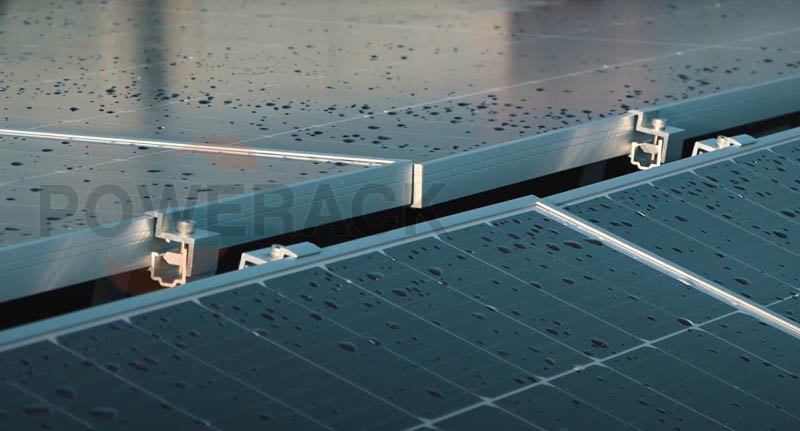
Maximizing Efficiency and Sustainability The Metal Roof Solar Mounting System

Are you a roof enthusiast looking to harness the power of the sun while maintaining the structural integrity of your metal roof? Look no further than the innovative Metal Roof Solar Mounting System. This cutting-edge solution combines the durability and sleek appearance of a metal roof with the energy-saving benefits of solar technology. In this article, we will delve into the unique features and benefits of this remarkable system, arming you with the knowledge you need to make an informed decision for your roofing needs.

1. Unmatched Durability

When it comes to installing solar panels on your roof, durability is paramount. The Metal Roof Solar Mounting System is specifically designed to withstand harsh weather conditions, including strong winds, heavy rain, and even snowstorms. Crafted from sturdy materials such as aluminum and stainless steel, this system ensures long-lasting reliability, providing peace of mind for years to come.

2. Seamlessly Integrated Design

One of the standout features of the Metal Roof Solar Mounting System is its seamless integration with your metal roof. Unlike traditional solar panel installations that require penetration of the roof surface, this system utilizes innovative clamps and brackets to securely attach the panels without compromising the integrity of your roof. The result is a sleek, uniform appearance that blends seamlessly with your roofline, enhancing the overall aesthetics of your property.

3. Easy Installation and Maintenance

Installing and maintaining solar panels on a metal roof has never been easier. The Metal Roof Solar Mounting System streamlines the installation process, significantly reducing the time and effort required. Its user-friendly design allows for quick and hassle-free installation, ensuring minimal disruption to your daily life. Additionally, the system’s low-maintenance features mean you can spend less time worrying about upkeep and more time enjoying the benefits of solar energy.

4. Enhanced Energy Efficiency

By harnessing the power of the sun, the Metal Roof Solar Mounting System helps reduce your dependence on traditional energy sources. By converting sunlight into clean, renewable energy, you can significantly reduce your carbon footprint while potentially saving on energy costs. Whether you are a homeowner looking to lower your electricity bills or a business owner committed to sustainable practices, this system offers an effective solution to meet your energy needs.

5. Long-Term Cost Savings

Investing in the Metal Roof Solar Mounting System can lead to substantial long-term cost savings. As energy prices continue to rise, generating your own solar power allows you to mitigate the impact of these increases. With potential incentives and tax credits available for solar installation, you can recoup your investment sooner than you might think. Additionally, the durability and low-maintenance features of this system minimize the need for costly repairs, further adding to your savings over the system’s lifespan.

In conclusion, the Metal Roof Solar Mounting System combines the strength and aesthetic appeal of metal roofs with the advantages of solar energy. Its unmatched durability, seamless integration with your roof, easy installation and maintenance, enhanced energy efficiency, and long-term cost savings make it a compelling choice for roof enthusiasts seeking sustainable solutions. Embrace the power of the sun and maximize the potential of your roof by investing in this innovative system today.
Residential Energy Storage System

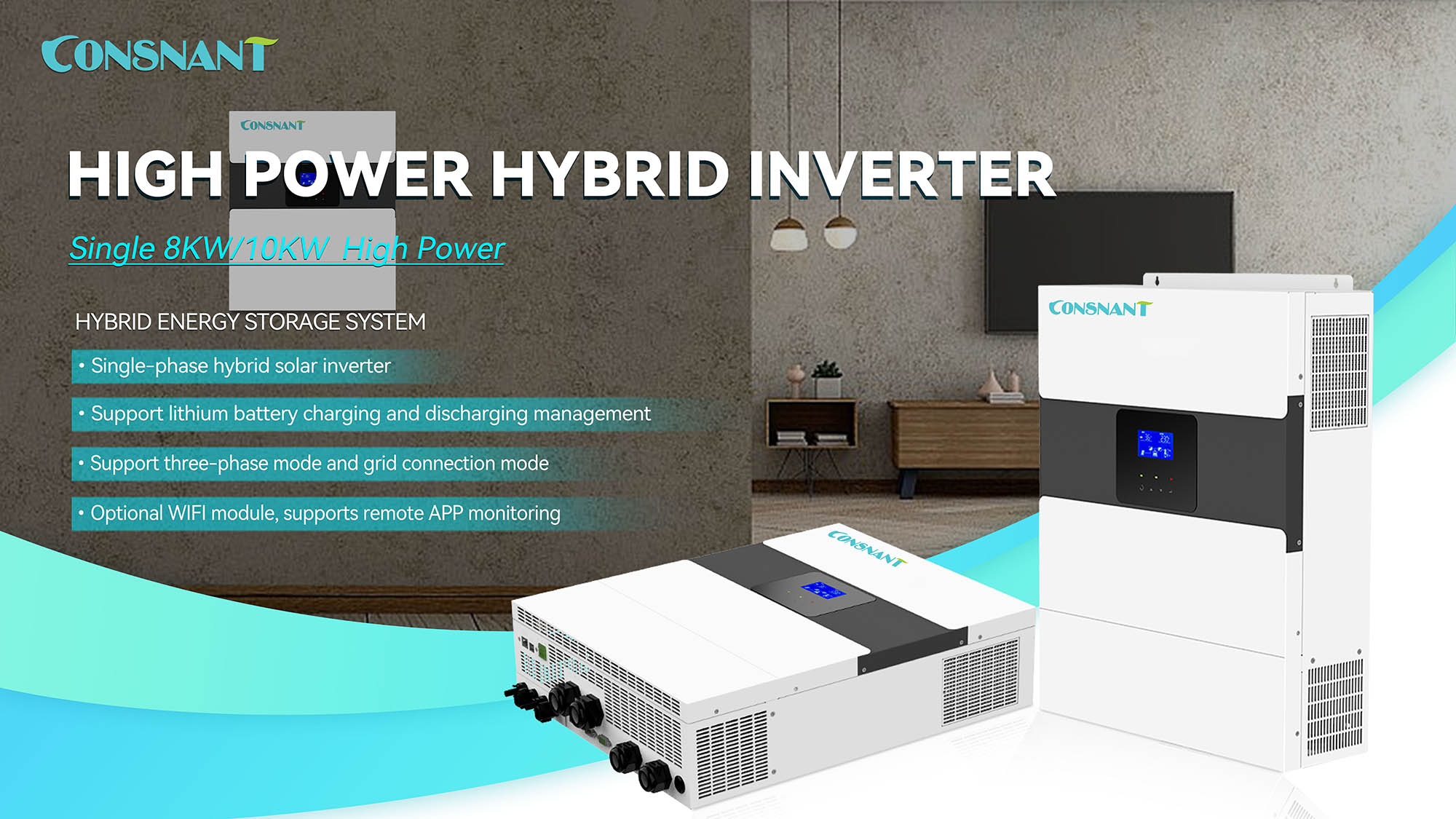
Residential Energy Storage System 8KW/10KW

Household Lithium Energy Storage System

Introduction:

A Residential Energy Storage System (RESS) is a cutting-edge technology designed to store electricity generated from various renewable energy sources and provide a sustainable power supply to residential homes. This article aims to explore the key aspects and benefits of RESS from multiple perspectives.


1. Energy Independence:

One of the primary advantages of a RESS is that it enables homeowners to achieve energy independence. By storing excess energy during low-demand periods, such as when the sun is shining or wind is blowing, homeowners can reduce their dependence on the grid and use stored energy during peak demand times or when renewable sources are unavailable.


2. Sustainable Energy Consumption:

RESS allows homeowners to optimize their energy consumption by utilizing stored energy during peak tariff hours when electricity costs are higher. This promotes sustainable energy practices by reducing reliance on non-renewable fossil fuel-based power plants and encourages the use of environmentally friendly energy sources.


3. Power Backup:

Another significant benefit of a RESS is its ability to provide backup power during grid outages. In regions prone to blackouts or areas with unreliable grid infrastructure, homeowners can rely on the stored energy to power essential appliances and maintain essential services in their homes, ensuring uninterrupted operation and peace of mind.


4. Load Shifting and Demand Response:

A RESS enables load shifting by allowing homeowners to utilize stored energy during times of high electricity demand. This reduces strain on the electricity grid during peak periods and supports demand response initiatives aimed at balancing energy supply and demand, ultimately benefiting the entire electrical system and promoting a more stable and efficient grid.


5. Integration with Renewable Sources:

RESS systems seamlessly integrate with various renewable energy sources, such as solar panels or wind turbines, ensuring efficient energy utilization. By storing excess energy generated by renewable sources, homeowners can maximize the utilization of clean energy and minimize wastage, contributing to a greener and more sustainable future.


6. Cost Savings:

With a RESS, homeowners can significantly reduce their electricity bills by leveraging stored energy during high-demand periods or when electricity prices are at their peak. Additionally, some regions offer incentives, tax credits, or net metering programs that can further enhance cost savings over the long term, making RESS a financially viable investment.


7. Environmental Impact:

By reducing dependence on traditional grid electricity and maximizing the utilization of renewable energy, RESS systems contribute to minimizing carbon emissions and combating climate change. They enable homeowners to participate actively in the transition towards a cleaner and more sustainable energy future.


Conclusion:

Residential Energy Storage Systems provide numerous benefits, including energy independence, sustainable energy consumption, power backup during grid outages, load shifting, integration with renewable sources, cost savings, and a positive environmental impact. With the advancements in technology and decreasing costs, RESS is becoming an increasingly attractive option for homeowners seeking to reduce their carbon footprint while enjoying the advantages of a reliable and sustainable power supply.


SHENZHEN CONSNANT TECHNOLOGY CO., LTD

Add: Building B6, Junfeng Industrial Park, Fuhai Sub-District,Bao'an District, Shenzhen City, 518103 P. R. China.

Tel: 008-755-29772622/29772623  Fax: 0086-755-29772626

Web: www.consnant.com     

E-mail: sales@consnant.com 


Mobile: Kevin +8613501592453

What are the factors affecting the price of solar bracket

 solar bracket

The price of solar PV racking is affected by a number of factors that combine to determine the final cost of the racking. The main price factors include:


1.Material Cost

Aluminium alloy: due to its light weight and good corrosion resistance, but relatively high cost.

stainless steel (e.g. 304): offers excellent weather resistance and strength, but is the most expensive.

Galvanised steel (Q235): cost-effective, high load-bearing capacity, widely used, but not as lightweight as aluminium alloy.

Concrete: Used in large power stations, cost is affected by raw materials and construction.


2.Manufacturing Process:

Highly customised designs may increase production costs.

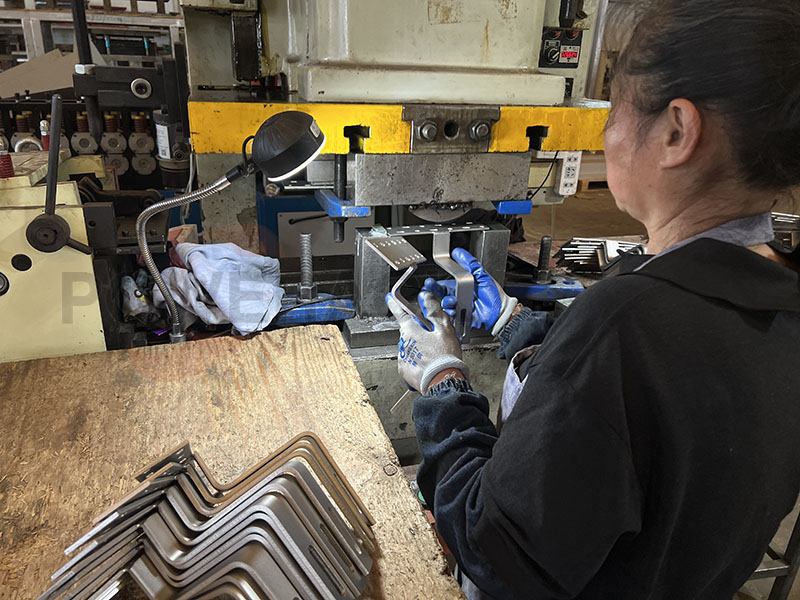
Cost difference between precision machining and surface treatment (e.g. anodising, hot-dip galvanising).


3.Design Complexity:

Solar Fixed mounts are relatively simple and low cost.

Tracking mounts (single-axis, dual-axis) are more costly due to the need for complex mechanical structures and control systems.


4.Installation method and Environment:

Above-ground power stations may require more infrastructure, such as concrete foundations, increasing costs.

Roof mounting may involve special fixings that increase the difficulty and cost of installation

Complex terrain or specialised environments (e.g. water flotation systems) will add extra costs


5.Scale Effects:

Large projects with high purchasing volumes may be eligible for volume discounts to reduce unit costs.


6.Market supply and Demand:

Fluctuations in the market price of raw materials such as steel and aluminium have a direct impact on the cost of the bracket.


7.Transport and Logistics:

The large size of the bracket assembly and the long transport distance will increase the logistics cost.


8. Technology and Branding:

High-end brands may be priced higher due to R&D investment and quality assurance.


9.Policy and Taxation

Tax policies, subsidies and trade tariffs in different regions also affect the final price.


10Installation and Service

Includes on-site installation, commissioning and after-sales service, with labour costs also accounting for a large proportion in some cases.


To sum up, the price of Solar PV mounting is a comprehensive consideration, and users should balance various factors according to project needs, budget and long-term operating costs when choosing.

What is the solar end clamp

solar end clamp

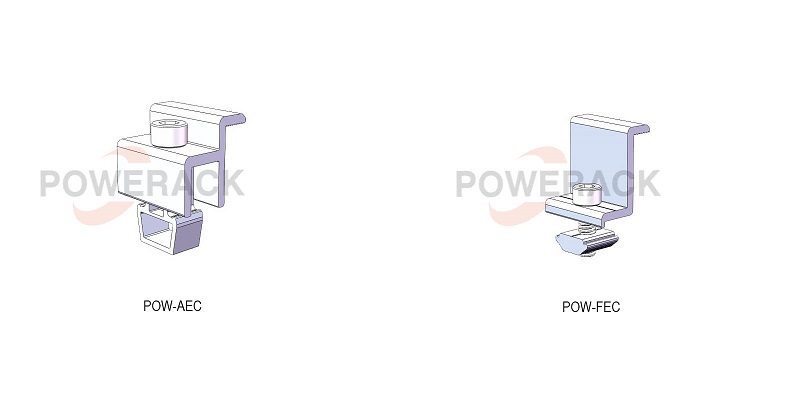
Solar PV mounting end clamp is one of the components of the solar mounting system, which is mainly used to fix the PV modules on the mounting rails or frames of the solar racking system.It is typically used at the ends of solar panels to provide a reliable fixing method while ensuring the stability and longevity of the system.


Solar mounting end clamps vary in design and function, depending on the bracket system and manufacturer. Below are some common features and functions of solar end clamps:


Secure fixing: The main function of the end clamp is to hold the solar panel securely in place and prevent any movement or displacement caused by environmental factors such as wind or vibration. It ensures that the module frame is gripped tightly so that it is securely fixed to the mounting structure.


Weather Resistance: Since solar PV systems need to operate in outdoor environments, end fixtures are usually made of weather-resistant materials, such as stainless steel or aluminium alloys, to resist the effects of sun, rain and other harsh weather conditions.


Adjustable Design: Many of the end clamps feature an adjustable design that allows for flexible adjustment of component thickness. This feature allows the installer to accommodate different panel sizes and thicknesses, ensuring proper installation and secure fixing.


Anti-reflective design: In order to avoid reflection and refraction of light, some end fixtures have a non-reflective design to minimise light energy loss.


Easy to install: The end fixture should feature easy mounting and dismounting for installation, maintenance and replacement of the PV module.

 solar mounting end clamps

When selecting solar mounting end clamps, it is important to consider the specific requirements of the solar panel system and the recommendations of the solar mounting system manufacturer. Correctly installed and sized end clamps will ensure the stability and longevity of your solar panel installation, improving its overall performance and safety.Powerack has a wide range of solar end clamps available, please enquire.

Is it worth getting a portable power station?

In today's world, where we are increasingly dependent on electronic devices for work, communication, and entertainment, staying powered up is more important than ever. Whether you're camping in the wilderness, preparing for a power outage, or just want a reliable backup source of power, a Portable Power Station can be an invaluable tool. But is it really worth the investment? Let's dive into the benefits and considerations of owning one.


What Is a Portable Power Station?

Portable Power Station is essentially a compact, rechargeable battery pack that can power various electronic devices. Unlike traditional generators, these power stations are quiet, emission-free, and often more convenient to carry. They come in different sizes and capacities, catering to various needs, from charging smartphones and laptops to running small appliances.


Benefits of a Portable Power Station

Portability and Convenience: As the name suggests, a portable power station is designed to be easily transported. Whether you're heading out on a camping trip or need power on the go, devices like a 300W Portable Power Station can be your perfect companion. These units are lightweight and compact, making them easy to pack along with your other gear.


Versatility: One of the key advantages of a portable power station is its versatility. These devices typically come equipped with multiple output options, including AC outlets, USB ports, and DC outputs. This means you can charge everything from your smartphone and tablet to your laptop and even small appliances. A 500W Portable Power Station, for example, can handle more demanding devices, such as mini-fridges, fans, or even some medical equipment.


Eco-Friendly Power Source: Unlike gas-powered generators, portable power stations are battery-operated, which means they produce no fumes or noise. This makes them an environmentally friendly option for both indoor and outdoor use. Additionally, many models can be recharged using solar panels, making them a sustainable energy solution.


Emergency Preparedness: In the event of a power outage, having a portable power station can be a lifesaver. It ensures that you have access to essential power to keep your devices charged, stay connected, and even power medical devices. A 300W Portable Power Station can keep your phone, radio, and essential lights running, while a 500W Portable Power Station can go a step further by powering larger devices.


Considerations Before Buying

While there are many benefits to owning a portable power station, it's also important to consider a few factors before making a purchase.


Power Capacity: The power capacity of a portable power station is measured in watt-hours (Wh). If you plan to power multiple devices or larger electronics, a higher capacity unit like a 500W Portable Power Station is recommended. However, if you only need to charge smaller devices, a 300W Portable Power Station might suffice.


Battery Life and Recharge Time: How long a portable power station can provide power and how quickly it can be recharged are crucial factors to consider. Some models can last for days, while others might only power your devices for a few hours. Ensure the unit you choose meets your needs in terms of battery life and recharge time.


Weight and Size: If portability is a priority, make sure to choose a model that is lightweight and easy to carry. While larger capacity units typically weigh more, there are plenty of options that strike a balance between power and portability.


Price: Portable power stations can range in price depending on their capacity, features, and brand. It's important to weigh the cost against the benefits to determine if it's a worthwhile investment for you.


Ultimately, whether a Portable Power Station is worth it depends on your specific needs and lifestyle. If you frequently find yourself in situations where access to power is limited, such as camping, traveling, or living in an area prone to power outages, investing in a 500W Portable Power Station or a 300W Portable Power Station can offer peace of mind and convenience. It's a versatile and eco-friendly power solution that can keep your devices running when you need them the most.

Advancing Solar Power Exploring the Benefits of Solar Rooftop Mounting Systems

Solar power has emerged as a game-changer in the renewable energy landscape, offering a sustainable and clean alternative to traditional energy sources. When it comes to implementing solar energy solutions, rooftop installations are gaining popularity for their numerous benefits. In this blog post, we will delve into the world of solar rooftop mounting systems, highlighting their advantages and exploring why they are a compelling choice for homeowners and businesses alike.


Maximizing Space Utilization:

Solar rooftop mounting systems are designed to make the most efficient use of available space on rooftops. By utilizing the existing roof area, these systems eliminate the need for additional land or infrastructure. This is particularly beneficial in urban environments where land is scarce. Installing solar panels on rooftops allows homeowners and businesses to generate clean energy without sacrificing valuable ground space, enabling solar power to be implemented in densely populated areas.


Seamless Integration and Aesthetics:

One of the key advantages of solar rooftop mounting systems is their ability to seamlessly integrate with the existing structure, enhancing the aesthetics of the building. These systems can be customized to match the style and design of the roof, creating a visually appealing and cohesive appearance. By blending in with the architecture, rooftop-mounted solar panels are less obtrusive compared to ground-mounted systems, making them an attractive choice for both residential and commercial applications.


Optimal Sun Exposure and Energy Efficiency:

The positioning of solar panels plays a crucial role in maximizing energy production. Rooftop installations provide an advantage in terms of sun exposure since they are typically free from shading caused by surrounding structures or vegetation. With proper orientation and tilt, solar rooftop mounting systems can optimize sun exposure throughout the day. In addition, the proximity of the solar panels to electrical systems and energy consumption points reduces energy loss during transmission, resulting in higher energy efficiency.


Roof Protection and Longevity:

Solar rooftop mounting systems not only generate clean energy but also provide protection and durability to the roof itself. These mounting systems act as an additional layer of shielding, safeguarding the roof from environmental elements such as rain, snow, and UV radiation. By reducing direct exposure to these factors, solar rooftop installations can extend the lifespan of the roof, potentially minimizing maintenance and replacement costs in the long run.


Financial Benefits and Energy Independence:

Implementing solar power through rooftop installations offers various financial benefits. Homeowners and businesses can offset their electricity bills by generating their own clean energy, reducing dependency on traditional energy sources. With various incentives and government programs supporting renewable energy adoption, solar rooftop installations often qualify for tax credits or rebates, making them more economically feasible. Moreover, installing solar panels on rooftops adds value to the property, contributing to potential increases in its overall market worth.


Conclusion:

Solar rooftop mounting systems have emerged as a practical and effective solution for harnessing solar energy. By optimizing space utilization, seamlessly integrating with existing structures, maximizing sun exposure, providing roof protection, and offering financial benefits, these systems are revolutionizing the way we embrace renewable energy. As advancements in technology continue, solar rooftop mounting systems will play a pivotal role in facilitating the widespread adoption of solar power, empowering individuals and businesses to contribute to a greener and more sustainable future.

Harnessing the Sun Exploring the Benefits of Solar Ground Mounting Systems

Introduction:

Solar power has revolutionized the energy market by providing a clean, renewable, and sustainable source of electricity. When it comes to implementing solar energy solutions, ground-mounted systems have gained popularity for their efficiency and versatility. In this blog post, we will delve into the world of solar ground mounting systems, highlighting their advantages and exploring why they are an excellent choice for residential, commercial, and utility-scale solar installations.


1. Optimal Sun Exposure:

One of the major advantages of solar ground mounting systems is their ability to maximize sun exposure. Unlike rooftop installations that may be subject to shading from nearby structures or natural obstructions such as trees, ground-mounted systems can be strategically positioned in open areas with unrestricted solar access. In addition, these systems allow for easy adjustment of tilt and orientation, ensuring that solar panels capture the maximum amount of sunlight throughout the day. As a result, ground-mounted systems can generate more energy compared to other mounting methods, making them highly efficient.


2. Flexibility in Location:

Solar ground mounting systems offer unparalleled flexibility in terms of installation location. Unlike rooftop installations that require suitable roofs or limited space, ground-mounted systems can be placed in a variety of areas, including open fields, empty lots, or even sloped terrain. This flexibility allows solar installations to be tailored to specific energy needs and land availability. Moreover, ground-mounted systems can be easily expanded as energy requirements increase, making them an ideal choice for future scalability.


3. Simplified Maintenance and Accessibility:

Ground-mounted solar systems offer ease of maintenance and accessibility compared to rooftop installations. Solar panels installed on the ground can be easily accessed for cleaning, inspections, and repairs without the need for additional safety equipment or accessing rooftops. This accessibility not only makes regular maintenance more manageable but also allows for efficient troubleshooting and repairs, minimizing downtime and optimizing energy production.


4. Enhanced Energy Efficiency:

Solar ground mounting systems offer enhanced energy efficiency due to their design and airflow. Ground-mounted systems can take advantage of natural convection currents, allowing air to circulate freely beneath the solar panels. This airflow helps regulate the temperature of the panels, preventing overheating and improving their overall performance and longevity. Additionally, ground-mounted systems can incorporate advanced tracking systems that follow the sun's movement, further optimizing energy production and efficiency.


5. Land Utilization and Environmental Considerations:

Utilizing available land for ground-mounted solar installations offers a significant advantage in land utilization efficiency. These installations make use of empty or underutilized areas, transforming them into sources of clean energy without compromising other land uses. Ground-mounted systems can be specifically designed with eco-friendly installation practices and materials, minimizing the impact on the natural environment. Moreover, ground-mounted systems allow for vegetation to be strategically integrated, promoting biodiversity and ecosystem preservation.


Conclusion:

Solar ground mounting systems have emerged as a reliable and efficient solution for harnessing the power of the sun. With optimal sun exposure, flexibility in location, simplified maintenance, enhanced energy efficiency, and sustainable land utilization, ground-mounted systems offer several advantages over other solar mounting methods. As the demand for clean energy continues to rise, ground-mounted solar installations will play a vital role in achieving a more sustainable and greener future.

Understanding the Advantages of Solar Rail Systems

Introduction:

Solar energy has rapidly gained prominence as a clean and sustainable source of power. To harness this energy efficiently, solar panel installations require robust and reliable mounting systems. One such crucial component is the solar rail system. In this blog, we will explore the key features and benefits of solar rail systems, shedding light on their importance in the solar industry.


1. Enhanced Structural Integrity:

Solar rail systems provide a sturdy framework for mounting solar panels on various surfaces such as roofs, carports, or ground installations. These rails are designed to withstand extreme weather conditions, including heavy winds and snow loads. By offering secure and durable support, solar rail systems ensure the structural integrity of the solar panel array over its lifespan.


2. Versatile Installation Options:

Solar rail systems offer versatile installation options, allowing for flexibility in panel arrangement and orientation. The rails can accommodate both portrait and landscape orientations, enabling optimal positioning to maximize solar energy production. Additionally, solar rail systems can be easily adjusted and expanded to accommodate future system upgrades or changes.


3. Easy and Efficient Installation:

Solar rail systems are designed to simplify the installation process. The rails feature pre-drilled holes and quick-connect mechanisms, ensuring easy alignment and secure attachment of solar panels. This streamlined installation process saves time and labor costs, making solar rail systems a preferred choice for installers.


4. Modular Design for Maintenance and Upgrades:

Solar rail systems have a modular design, enabling easy maintenance and component replacement. In case of panel maintenance or repair, individual panels can be quickly detached and reattached without affecting the rest of the array. Moreover, the modular design facilitates future upgrades or additions to the solar system, accommodating changing energy needs.


5. Increased Energy Production:

Efficient solar rail systems help maximize energy production by optimizing the positioning of solar panels. By aligning the panels at the ideal tilt angle and direction, solar rail systems ensure optimal exposure to sunlight. This leads to increased solar energy generation and higher overall system efficiency, translating into greater energy savings.


6. Longevity and Durability:

Solar rail systems are typically made from high-quality materials such as aluminum or stainless steel, which offer exceptional corrosion resistance and longevity. These materials withstand harsh environmental conditions, ensuring that the solar rail system remains robust and reliable throughout its lifespan.


Conclusion:

Solar rail systems play a crucial role in the successful installation and operation of solar panel arrays. Their versatile design, easy installation process, and ability to enhance energy production make them an indispensable component of any solar system. By investing in a quality solar rail system, individuals and businesses can harness the full potential of solar energy while enjoying the long-term benefits of sustainable power generation.

7 Things to Consider Before Installing Rooftop Solar Panels

Across the United States, more and more people are starting to invest in solar power systems. They are outfitting their roofs with solar panels — and why not? Solar power technology has seen incredible advancements in recent years, many of which have helped to lower the cost of the equipment involved.  Installing solar panels on your roof is also a wonderful way to generate electricity for your home and business, as well as the grid, without increasing your impact on the environment.


However, there are many things that you need to consider before you jump in and start the installation process.


To help you decide whether or not solar power is the right option for you, your home, or your business, we’ve put together a list of the top 7 things you need to take into consideration before you install those rooftop solar panels.


1. Does your roof need repairs?

Before you even consider installing solar panels, ask yourself, how old is my roof? If you know that you will need a new roof soon, or that a part of your roof is damaged, it probably isn’t the best idea to install solar panels. If you can, take care of any roof repairs before the installation. That way, you won’t need to pay extra to dismantle the work and then put it up again (in some cases for at least 20 years).


Another aspect to consider is the warranty on your roof compared to the warranty on the solar panels. If you have solar panels that will last for 20 years and a roof that will only last between 10 – 15, it increases the cost of maintenance. Try to match both projects in terms of how long they will last in order to reduce the amount of effort, time and money you will need to invest.


2. What is the shape of your roof?

Roofs come in many different shapes and sizes. Before you go ahead with any installation, make sure that your roof has enough space for the solar panels. If there isn’t enough room, you likely will not get the return you expect on your investment.


3. Which direction do the slopes of your roof face?

Solar panels require specific placement in order to generate the maximum amount of power. Most professionals say that the best placement is to have the panels face south while others say west. Regardless, this information is important for you to determine before the installation starts.


4. How much weight can your roof handle?

Installing solar panels will increase the weight on the structure of your roof. If the weight of these solar panels is too much for your roof to handle, there is a potential that it will collapse. This is very dangerous for many reasons, not to mention costly. To avoid both situations, it is critical to have a professional evaluate your roof to determine if additional support is required to complete the installation.


5. Where will the water go?

When it rains, water runs down the roof, into the gutters and out and away from your home. When installing solar panels, equipment like racking and wire harnesses can prevent the water from flowing and draining properly. In some cases, solar equipment can move the water in a different direction, which can create leaks and other problems. These problems will need repair, which means the solar panels will need to be removed.


To avoid all of these issues, make sure that you inform your contractor of these concerns. They will be able to present a plan to you to prove that the installation will not impact the water runoff in any way.


6. What about nature’s other surprises?

Part of maintaining your solar power system is dealing with severe weather like lightning storms, hurricanes, hail, and more. There is a potential for some solar power equipment to get damaged during these events. While some insurance will cover these types of events, it is something to consider, especially if you live in an area where this type of weather occurs often.


7. How do you connect to the grid?

In addition to the structure and shape of your roof, you also need to consider how you are going to connect your solar power system to the grid. When connecting with a local utility, there are many things that you need to determine.


Examples include:


How long will it take to get hooked up?

Do you need to pay any fees?

How will you be credited for the generated electricity?

When will you be credited for your generated electricity?


We are specializing in researching & developing, manufacturing, and marketing of solar PV mounting systems, including Roof Mounting Solutions, Ground Mounting (both for Aluminum and Steel) Solutions, Solar Waterproof Carport and all mounting accessories. Welcome to inquire ~

Solar panels are still a worthwhile investment in 2024

Solar panels continue to be a worthwhile investment in 2024 for several reasons. Here are some key factors that make solar panels worth it:


1. Cost Savings: Solar panels allow you to generate your own electricity from the sun, reducing your reliance on traditional grid electricity. This can result in significant cost savings on your monthly utility bills. Over the lifespan of the solar panels, the savings can add up to a substantial amount.


2. Return on Investment: Installing solar panels can provide a good return on investment (ROI) over time. The savings on electricity bills, coupled with government incentives and tax credits, can help offset the upfront installation costs. As the cost of solar panels continues to decline and electricity prices rise, the financial benefits of solar energy become even more attractive.


3. Environmental Benefits: Solar energy is a clean and renewable source of power. By generating electricity from sunlight, solar panels reduce dependence on fossil fuels, which helps lower greenhouse gas emissions and combat climate change. Installing solar panels contributes to a sustainable future by promoting cleaner energy production.


4. Energy Independence: With solar panels installed, you can generate your own electricity on-site. This provides greater energy independence and can protect you from rising electricity prices or grid outages. Having a solar energy system with battery storage allows you to store excess energy for use during periods of low sunlight or power outages.


5. Increasing Property Value: Solar panels can increase the value of your property. Studies have shown that homes and businesses equipped with solar panels tend to sell at a premium compared to properties without solar installations.


6. Long Lifespan and Low Maintenance: Solar panels have a lifespan of 25 years or more, and modern panels often come with warranties of 25 years or more. They require minimal maintenance, with occasional cleaning to ensure optimal performance. Once installed, solar panels can reliably produce electricity for many years.


7. Government Incentives and Support: Many governments around the world offer incentives and support to encourage the adoption of solar energy. These can include tax credits, rebates, feed-in tariffs, and net metering programs. Taking advantage of these incentives can further enhance the financial benefits of solar panel installations.


While the exact financial and environmental benefits may vary depending on factors such as location, electricity rates, and available incentives, the overall value proposition of solar panels remains strong in 2024.


Solar mounting systems play a crucial role in the installation and performance of solar energy systems. Our solar PV mounting systems include Roof Mounting Solutions, Ground Mounting (both for Aluminum and Steel) Solutions, Solar Carport and all mounting accessories. If you are interested in our products, please contact us.